
On-site Planning

Installation & Commissioning

Automated & Energy Efficient
Client Name: B***O Flower Group
Country: Republic of Kenya
Region: Lake Naivasha area – Famous East African flower-growing region, equatorial highlands with eternal spring, a key node in the global flower supply chain
Core Products: Preserved roses, dried flower decorations, preserved carnations, raw materials for floral crafts
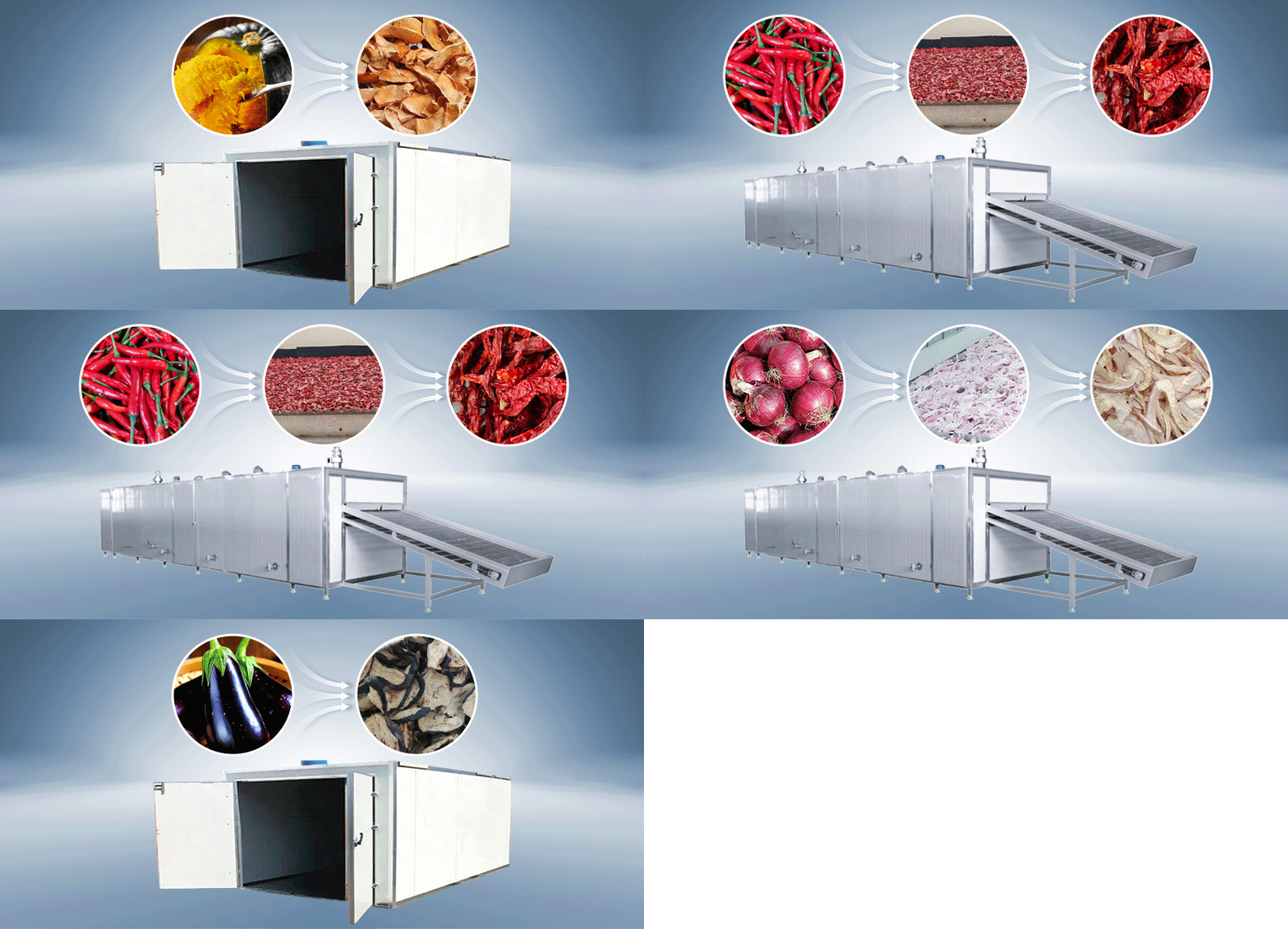
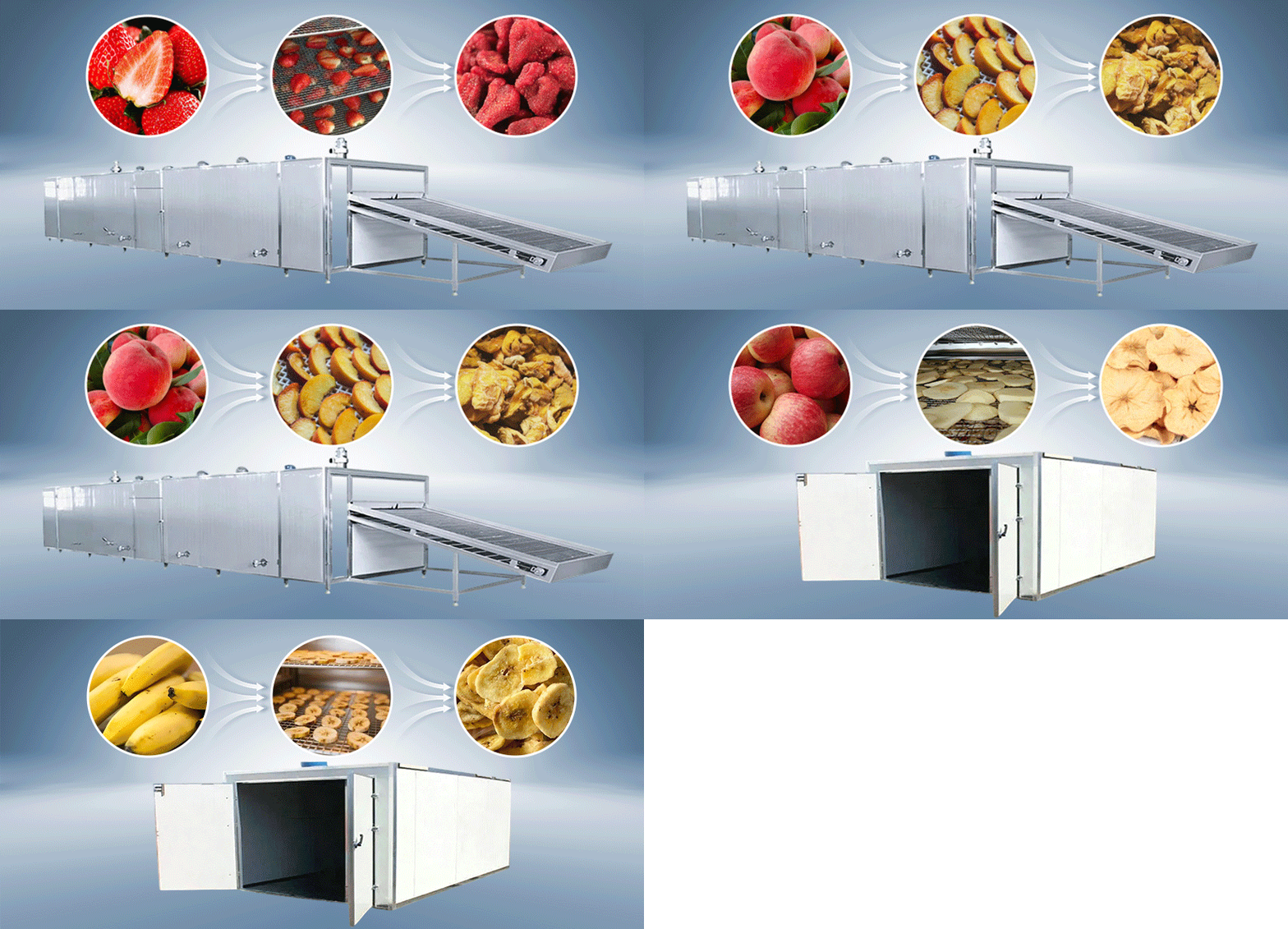
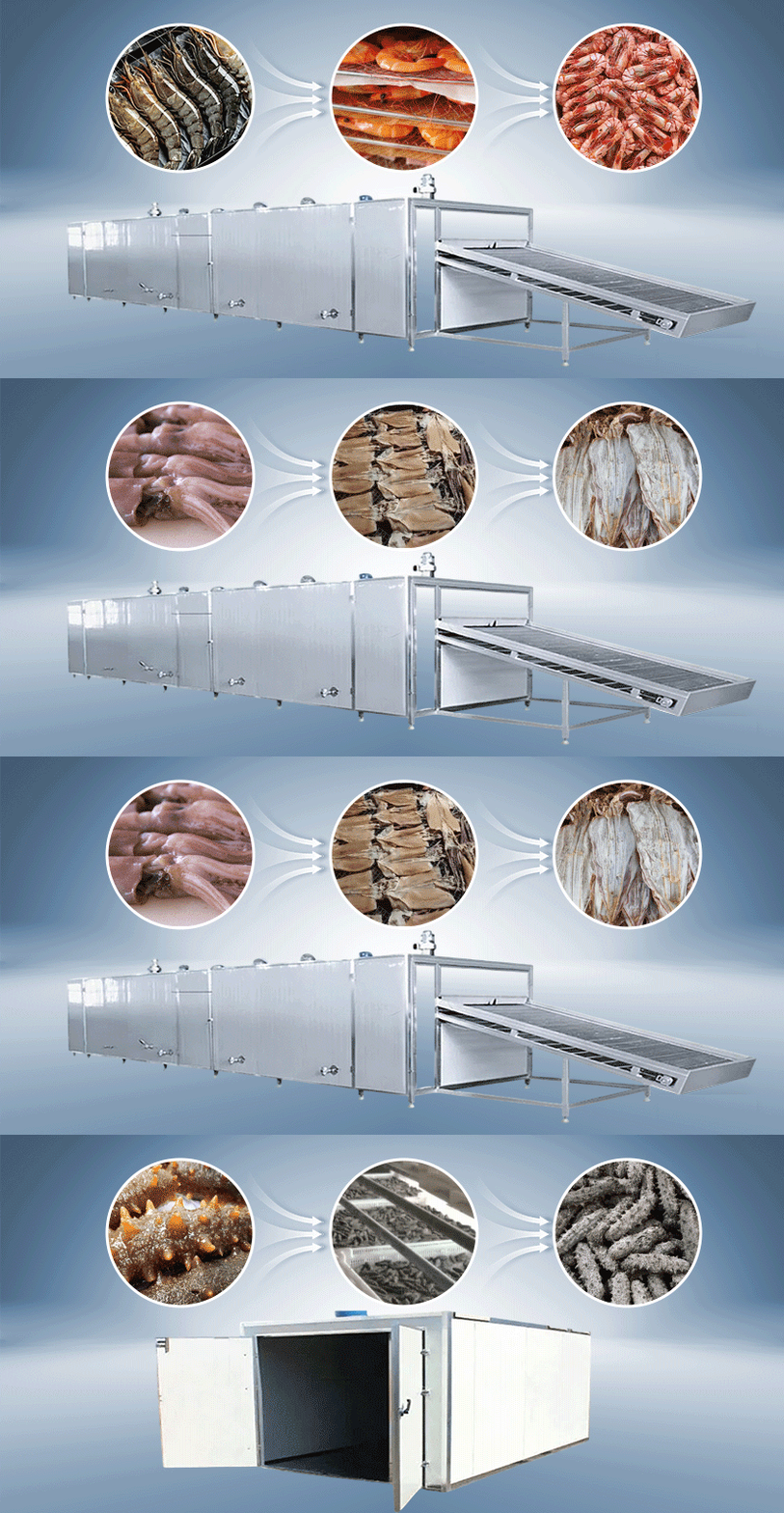
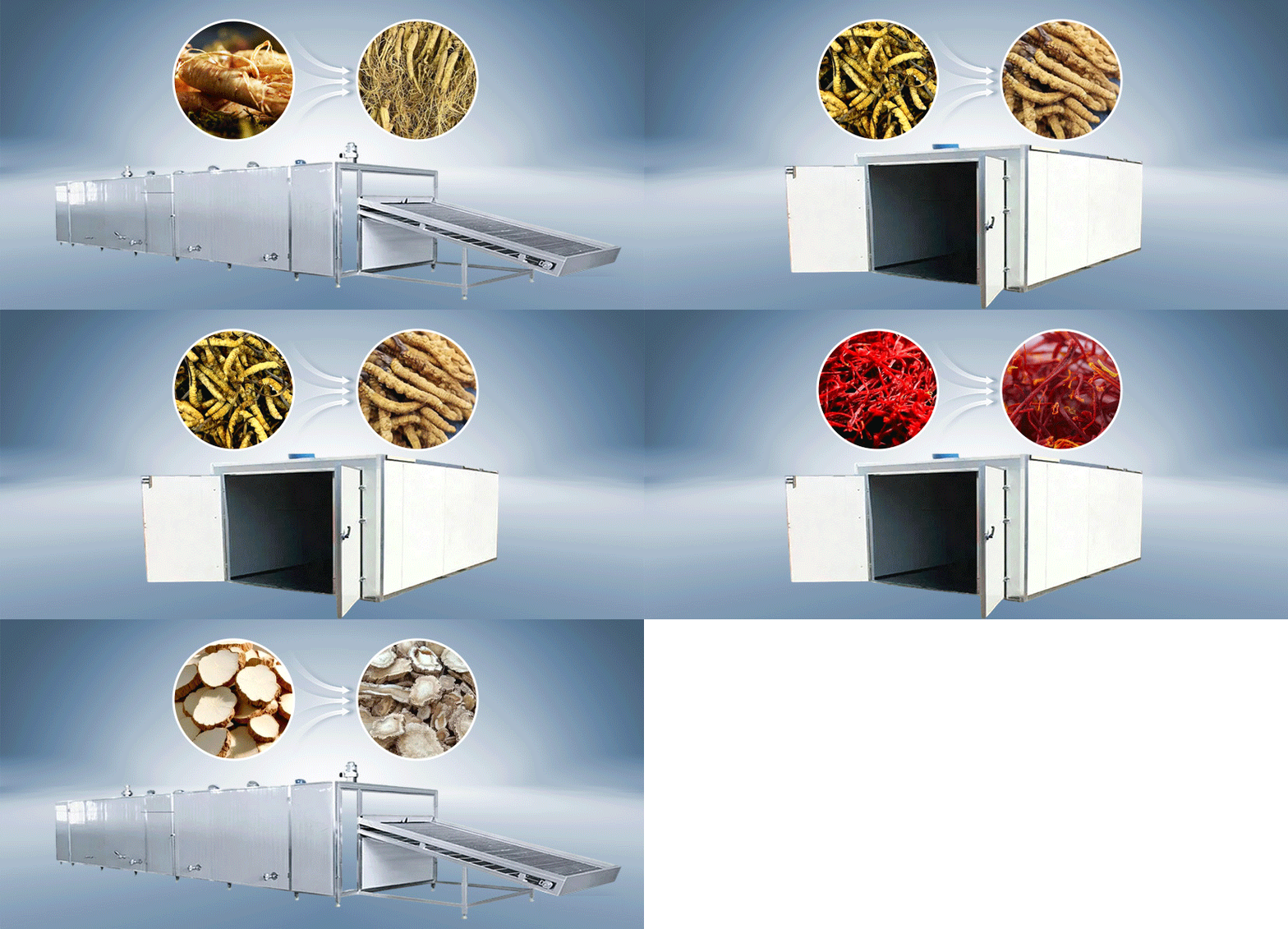
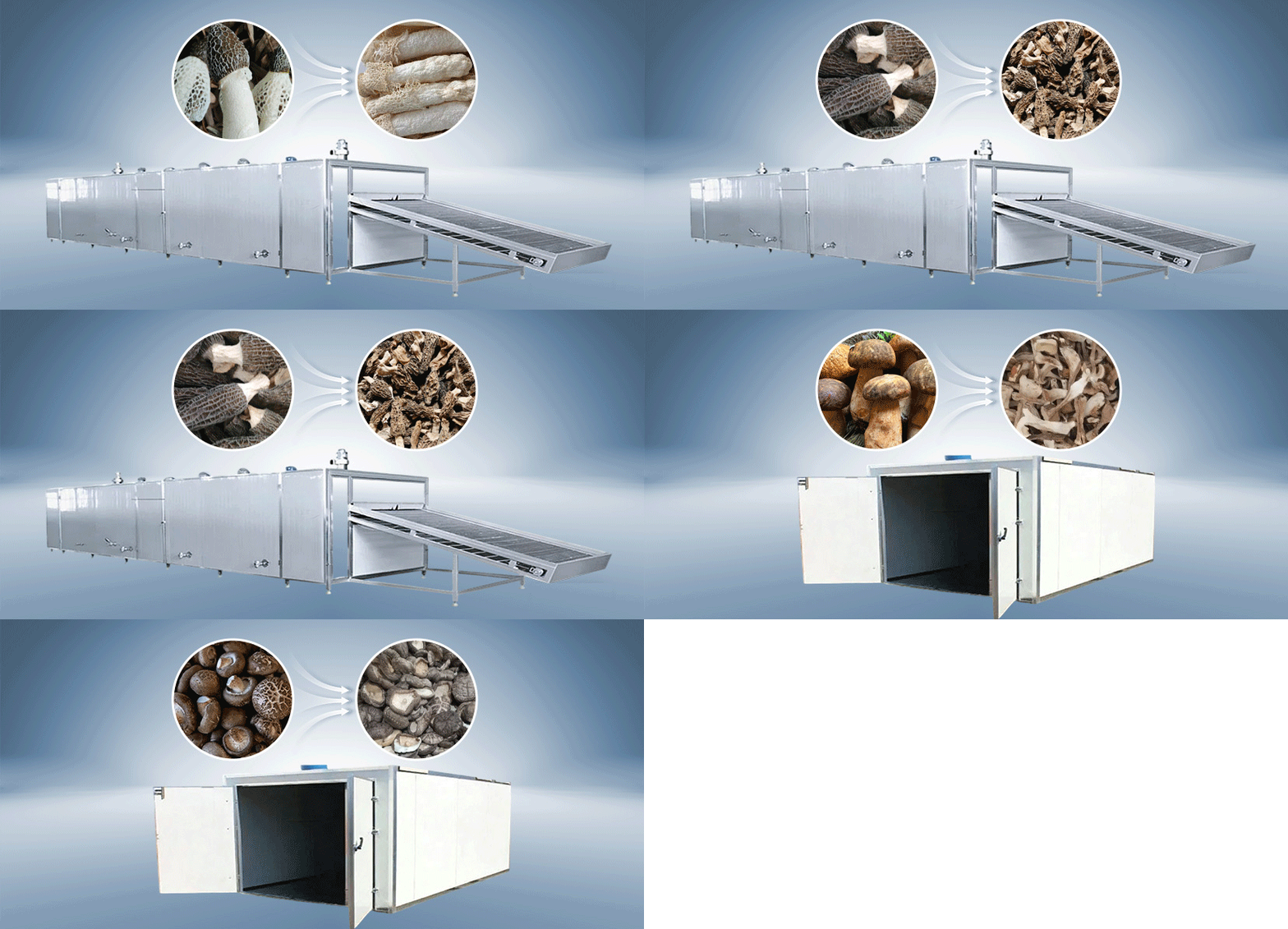
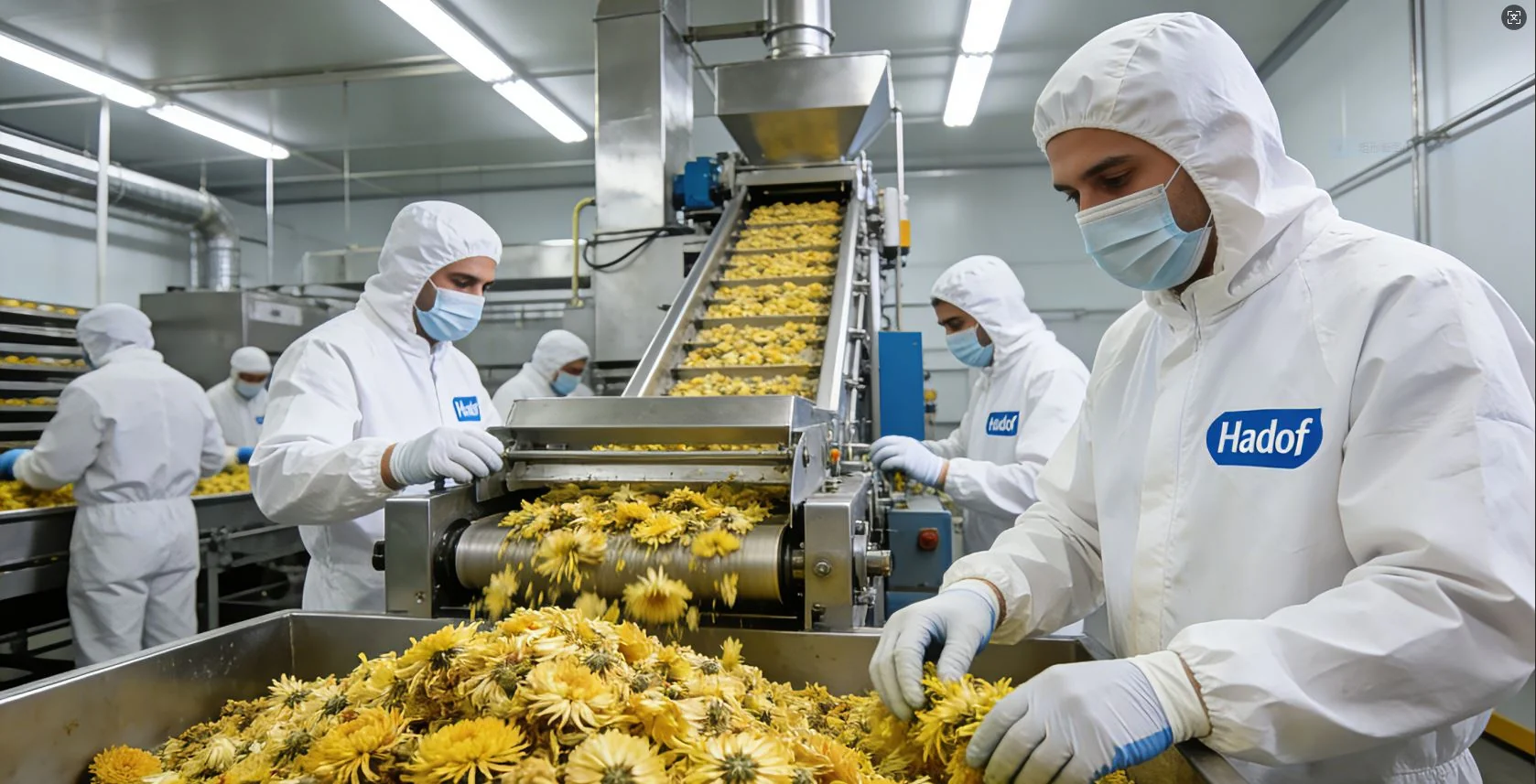
Equipment Configuration: Hadof customized batch-type hot air circulation drying line (with integrated precise humidity control and color retention process modules)
Commissioning Date: Q2 2021
Kenya is the world's fourth largest exporter of fresh cut flowers. Around Lake Naivasha, numerous flower farms send millions of roses daily via cold chain air freight to Amsterdam, London, and Tokyo. B***O Group was a leading local fresh flower supplier. However, facing explosive European demand for "preserved flowers" (fresh cut flowers processed to last 3-5 years), the limitations of traditional methods became starkly apparent.
Flower Waste & Low Value: Export-grade roses face appearance standards. Flowers with minor flaws in head diameter, stem length, or color saturation (Grade B) constitute 15%-20% of production, previously sold cheaply or discarded, a huge waste.
Preserved Flower Process Bottlenecks: Preserving requires bleaching, dyeing, and drying/setting, with drying being critical. Traditional air drying is slow and causes discoloration. Standard dryers fail to retain the silky petal texture needed for the high-end gift market.
Energy & Time Pressure: European clients demand high color and feel, with orders concentrated before Valentine's Day and Mother's Day. B***O needed a solution to quickly process Grade B flowers into high-value preserved flowers without compromising quality.
The client's needs were very clear: fully preserve the natural texture and silky feel of rose petals, achieve high color saturation without fading, and adapt to Kenya's grid instability and abundant geothermal resources.
After comparing Dutch and Israeli equipment, B***O chose us. Our advantage: developed a specialized color-retention drying process for the delicate, juicy, easily discolored nature of flowers.
Solution: Three Custom Designs for Equatorial Highland Flower Characteristics
1. "Smart Temperature & Humidity Control + Color Setting & Shaping" System
Addressing the challenges of thin, high-moisture rose petals prone to pigment damage, we used low-temperature, high-humidity slow drying combined with rapid color setting.
Gradient Dehydration Preserves Shape: Stage 1, temperature strictly controlled at 35°C-40°C, humidity above 50%, slowly removes surface moisture to prevent cell wall rupture causing petal curling or deformation.
Rapid Color Setting Locks Freshness: Stage 2, temperature rises to 45°C-48°C with strong air circulation, completing final drying in 3-4 hours, maximizing retention of anthocyanins and dye brightness. Petals feel velvety smooth, as plump as fresh flowers.
2. Flexible Process for Different Flower Types
For Roses (high-value core): Hanging trays with flowers facing downwards use gravity to naturally maintain shape, resulting in blooms with distinct petal layers.
For Carnations/Gypsophila (filler flowers): Switch to mesh belt flat drying for higher efficiency while avoiding挤压 deformation.
Process parameters are one-touch recall, with changeover under 20 minutes, easily handling diverse small-batch orders.
3. Utilizing Local Geothermal Resources to Reduce Operating Costs
Kenya has abundant geothermal resources. We designed a geothermal water heat exchanger interface for the drying line, directly utilizing the farm's existing geothermal hot springs for preheating.
Compared to electric heating, energy costs are reduced by over 60%, carbon emissions by 80%, fully meeting European client requirements for a green supply chain.
Client Testimonial: A "Beautiful Rebirth" from Waste Flowers to European Gifts
After commissioning, B***O's business model was fundamentally transformed.
Capacity & Market Breakthrough
Throughput: Processes 800,000 Grade B roses monthly, converting all previously discarded off-grade flowers into high-quality preserved flower. Product shelf life reaches 5 years, completely of fresh flower timeliness.
High-End Market Access: The color-retention drying process helped secure EU REACH certification and the EU Ecolabel. By 2024, preserved flower exports to France and Italy grew 450%, with products entering顶级 outlets like Galeries Lafayette.
Significant Economic Benefits
Product Premium: Preserved roses processed with the color-retention sell for 15-20 times the price of fresh cut flowers per stem. A gift box of preserved roses retails for �80-120 in Europe.
Return on Investment: Operations Director Ms. Njeri calculated: "Grade B flowers used to sell locally for �0.1 each. As preserved flowers, they average over �5 each. From this alone, we recouped the entire equipment investment in six months. Plus, geothermal energy costs are nearly zero, making margins huge."
Environmental & Social Responsibility
Zero Waste Goal: Reduces environmental pressure from约 3,000 tons of discarded flower landfill annually, earning the Kenya Flower Council's "Sustainable Production Gold Award."
Women's Employment: Post-drying processing (sorting, dyeing, packaging) requires significant manual work, creating over 200 female jobs in surrounding communities, contributing to local poverty reduction.
"We used to watch those slightly imperfect roses get thrown away, feeling sorry for the Lake Naivasha sun and soil that grew them. Hadof's drying line showed us that real technology preserves the beauty of every flower completely, letting them continue to bloom in another form, sending Kenya's romance worldwide."
—— B***O Flower Group, Operations Director Grace Njeri