
On-site Planning

Installation & Commissioning

Automated & Energy Efficient
Client Name: T***M Fruit & Herb Tea Group
Country: Federal Republic of Germany
Region: Baden-Württemberg – Black Forest region, traditional European birthplace of fruit and herb teas, core area for berries and rose hips
Core Products: Mixed berry fruit tea, apple cinnamon tea, elderflower orange peel tea, organic fruit tea series, instant fruit tea granules
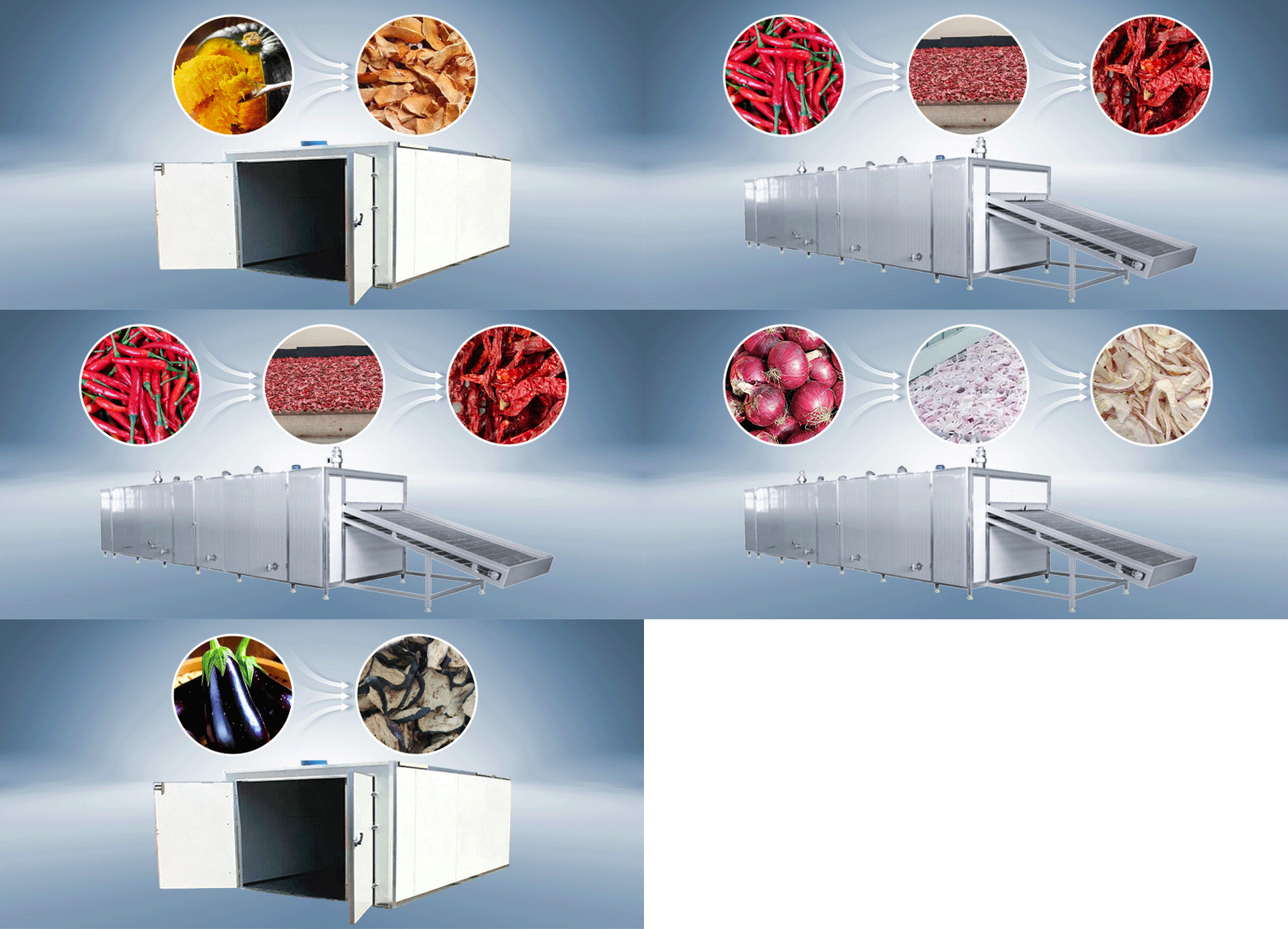
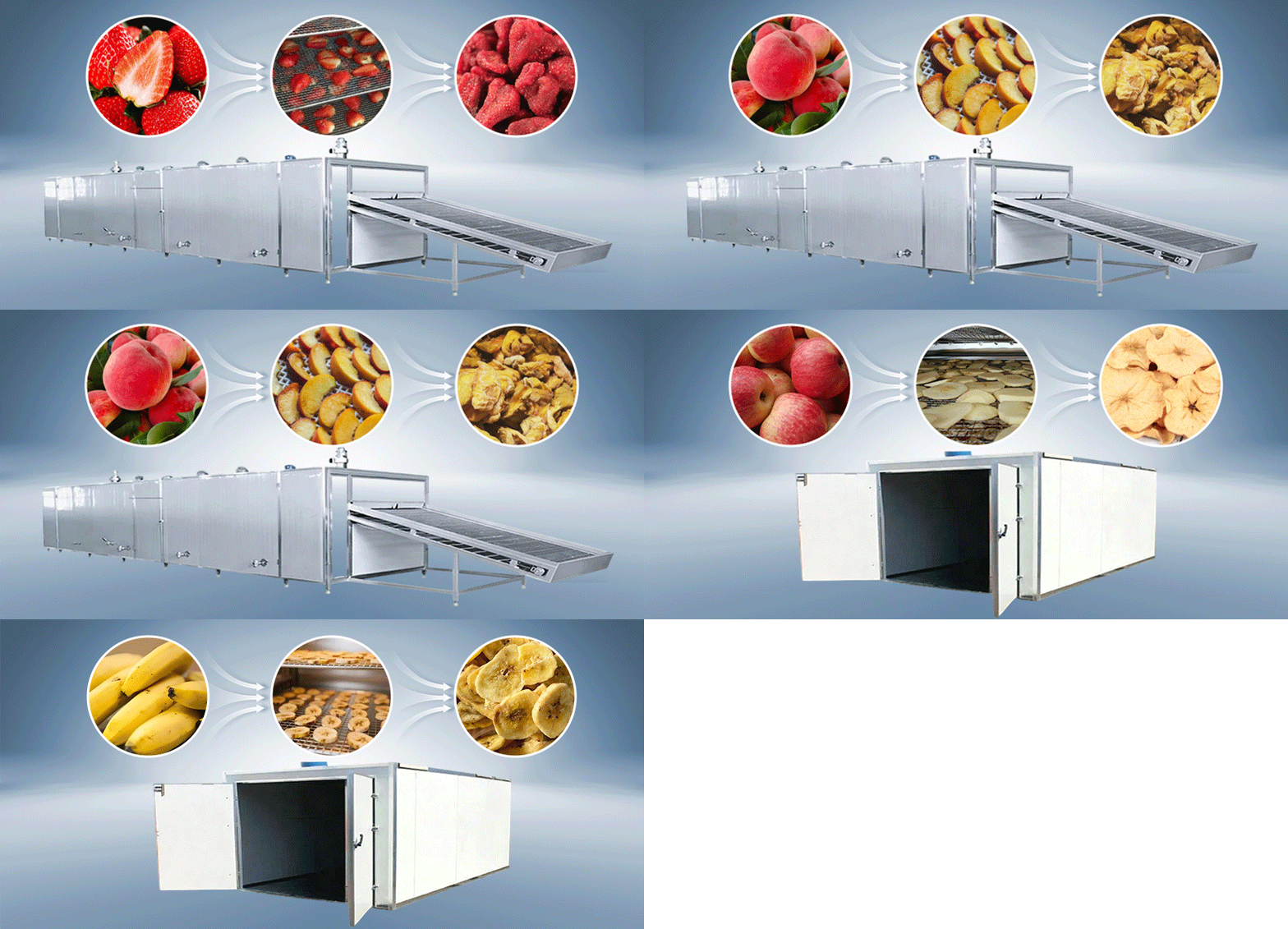
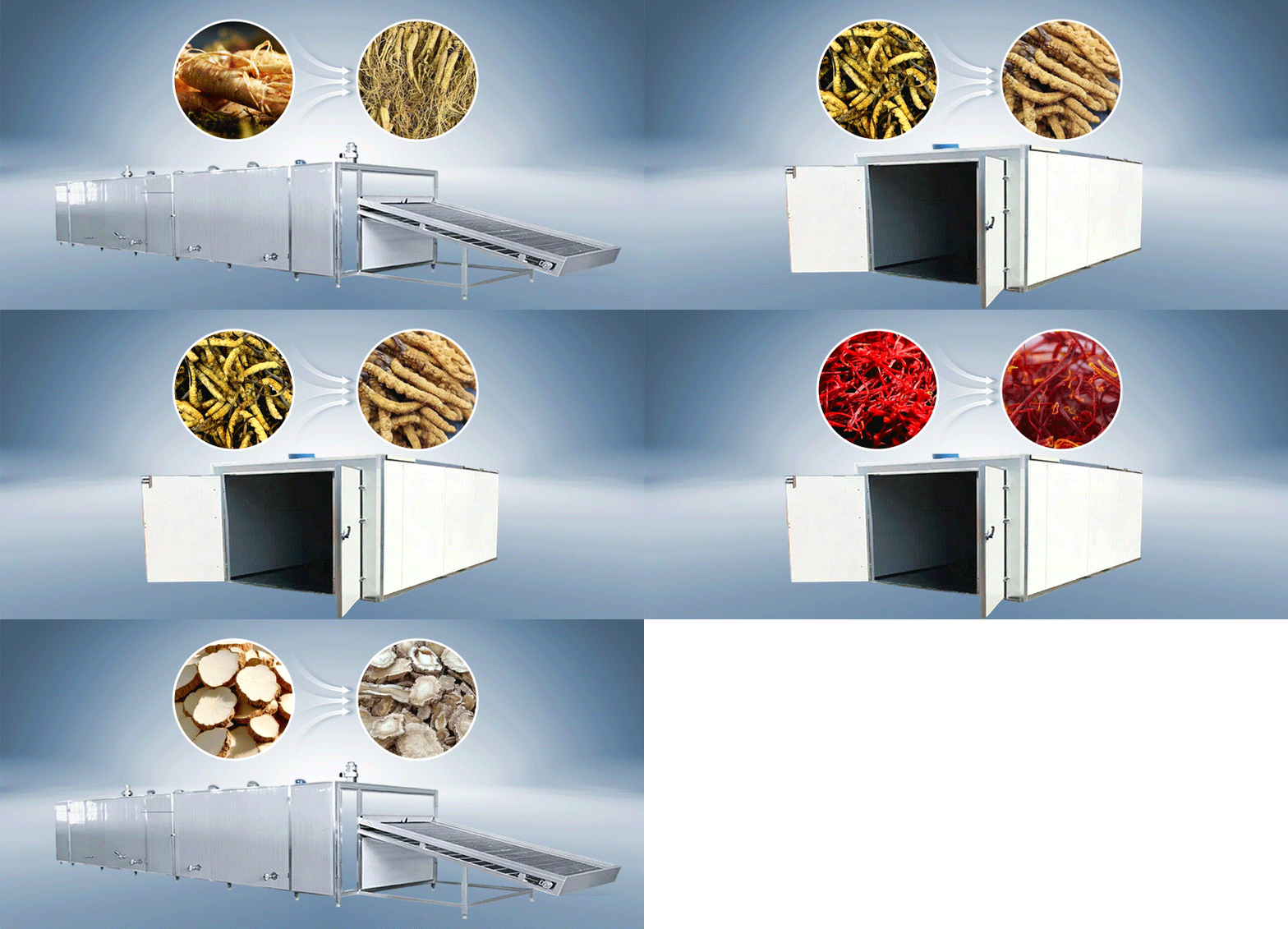
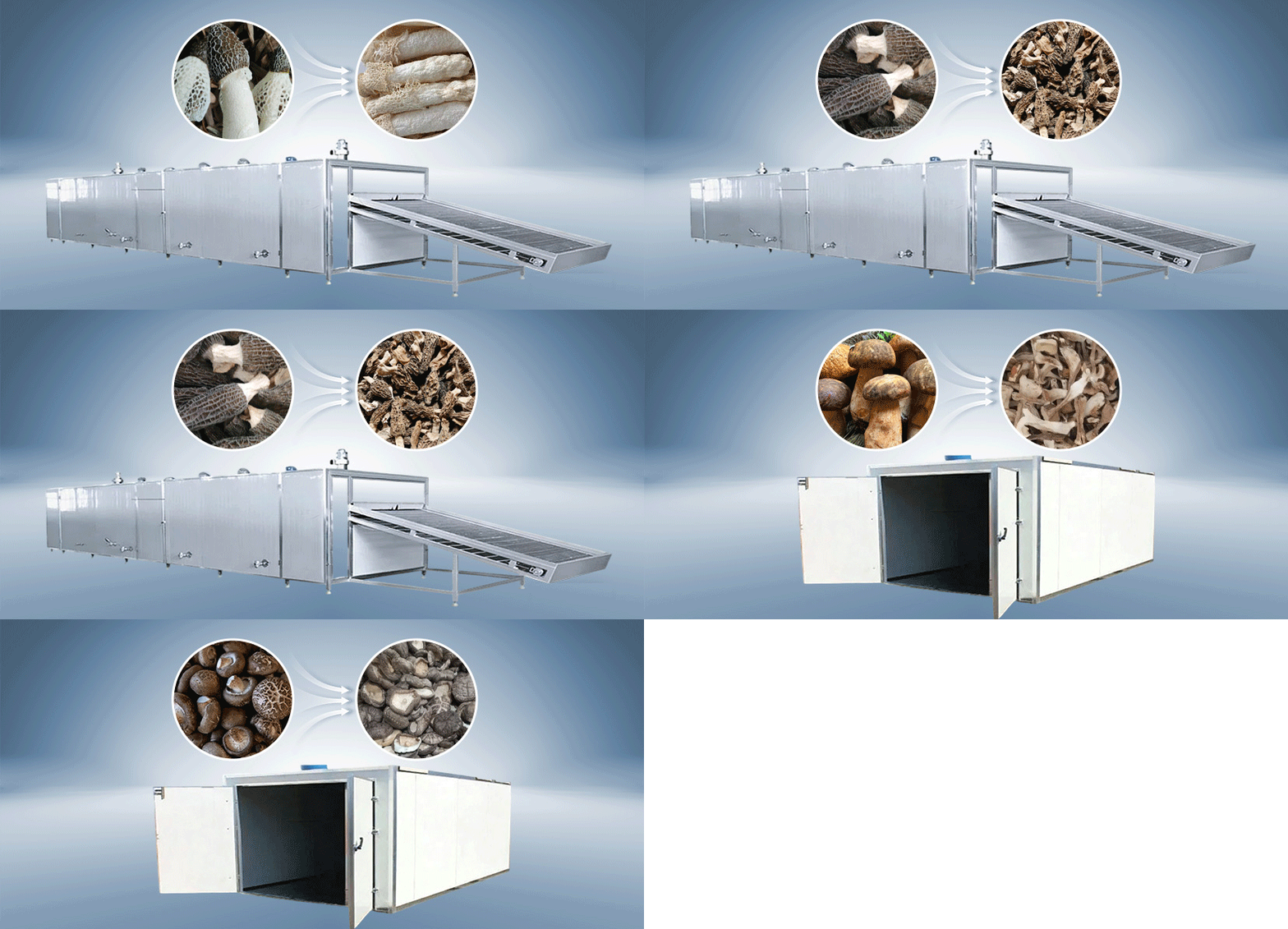
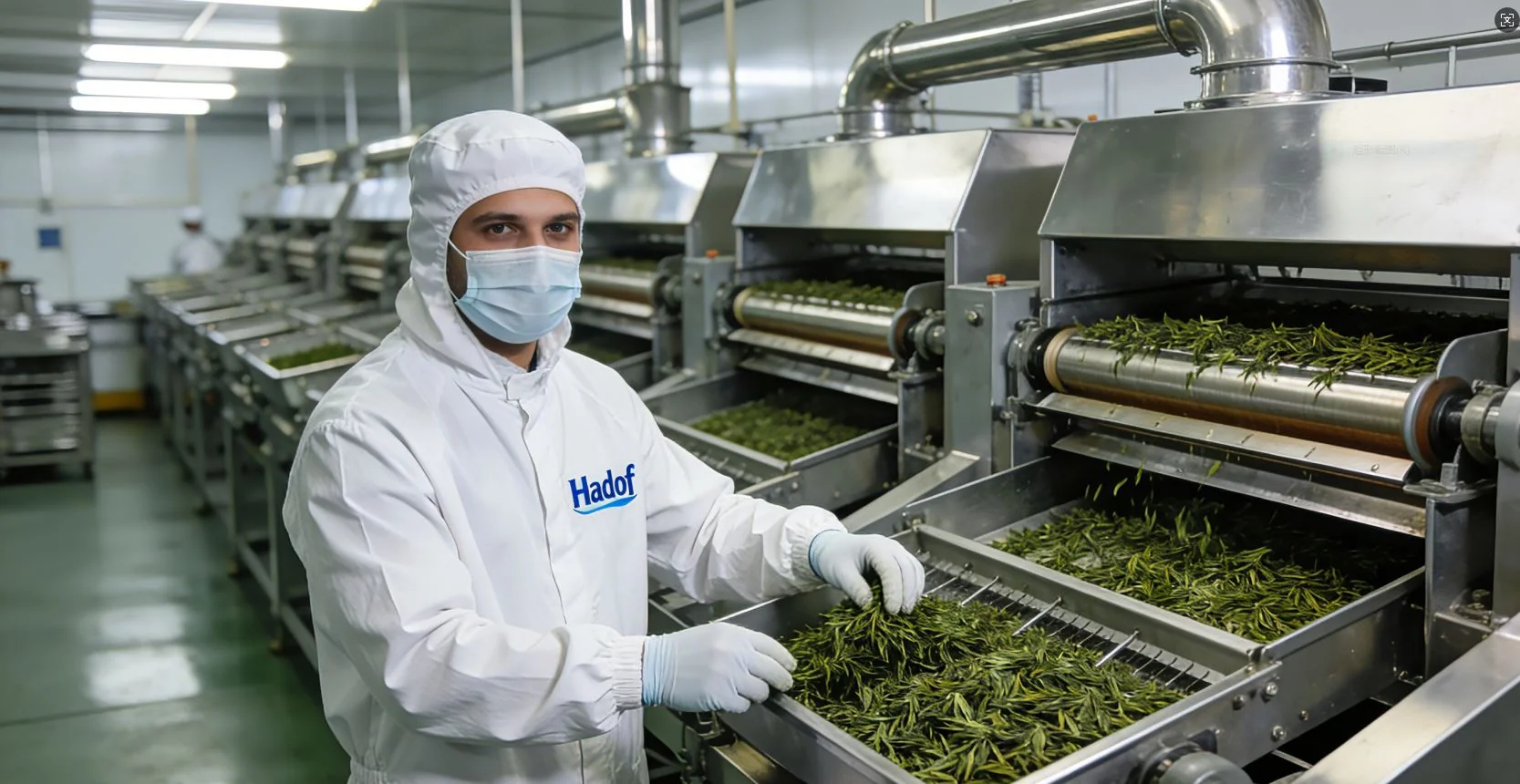
Equipment Configuration: Hadof customized multi-layer mesh belt hot air drying line (with integrated low-temperature vacuum drying and aroma recovery modules)
Commissioning Date: Q1 2021
Germany is the birthplace of fruit tea. Between the late 19th and early 20th centuries, Germans began drying fruits to make fruit tea for enjoyment during the long winter months. T***M Group, based in the Black Forest region of Baden-Württemberg, has over 80 years of history in herbal and fruit tea production and is a well-known European brand supplier. However, facing global consumer trends towards natural, additive-free, and visually appealing teas, the limitations of traditional processing became increasingly apparent.
Seasonal Fresh Fruit Surplus & Grade B Predicament: The Black Forest region abounds in summer berries like strawberries, raspberries, blueberries, and specialties like rose hips. Annually, 15%-20% of berries with minor skin blemishes, small size, or harvest damage cannot enter the fresh market or jam production and are sold cheaply, representing significant waste.
Significant Aroma Loss with Traditional Drying: The essence of fruit tea lies in preserving the natural aroma and color of the fruit. Traditional hot air drying uses high temperatures and long times, causing loss of volatile aroma compounds in berries like strawberries and raspberries, resulting in dull-colored, unappealing final products.
European Clean Label Movement: German consumers are highly sensitive to food additives, demanding fruit teas with "no additives, no artificial flavors, no colors." Traditional methods sometimes used flavors or color protectants to enhance appearance, conflicting with the clean label trend.
Explosion of the Visual Fruit Tea Market: Recently, the European market has seen a surge in "visual fruit tea" – tea bags containing visible whole dried fruit and petals, visually appealing when steeped. T***M Group received numerous orders from France and the Netherlands for high-appearance transparent tea bag fruit tea series, but traditional drying couldn't guarantee the color and integrity of fruit pieces in packaging.
Energy Cost Pressure: German industrial electricity prices are among the highest in Europe, and high-energy-consumption traditional drying lines severely squeezed profit margins.
The client's needs were precise: produce fruit and herb teas meeting EU organic standards, additive-free, retaining natural color and aroma, while gaining the capability to process visual fruit teas and significantly reduce energy consumption.
After comparing Swiss and Dutch equipment, T***M Group ultimately chose our company. Our advantage lay in developing a specialized aroma-color protection drying process for thin-skinned, juicy berries and delicate, fragile petals prone to aroma loss.
Solution: Three Custom Designs for Black Forest Fruit & Herb Tea Characteristics
1. "Low-Temperature Vacuum Drying + Aroma Recovery" Aroma-Lock System
Addressing the challenge of heat-volatile aroma compounds in berries like strawberries and raspberries, we used low-temperature vacuum drying combined with aromatic condensation recovery technology.
Low-Temperature Vacuum Locks Aroma: Under vacuum, the boiling point of water decreases, allowing drying at 35°C-45°C, far below traditional hot air drying (60°C-70°C). Retention of esters and terpenes (aroma compounds) exceeds 90%, resulting in vibrantly colored products that rehydrate resembling fresh fruit. A leading Korean fruit tea brand uses similar low-temperature drying technology to successfully enter markets.
Aroma Recovery Adds Value: volatilized aromatic compounds during drying are captured by a condensation system and sold as natural fruit flavorings for premium food applications.
Sulphur-Free Color Protection: The vacuum/low-temperature environment naturally inhibits enzymatic browning, completely replacing sulfite treatment, making products compliant with EU Clean Label requirements.
2. Flexible Process for Different Fruits & Flowers
For Mixed Berry Tea (core product): Strawberries, raspberries, blueberries, elderberries, etc., are mixed and low-temperature vacuum dried for 8-10 hours. The final product is vibrantly colored with intact pieces, rehydrates quickly upon brewing, yielding a natural ruby-red infusion with intense berry aroma.
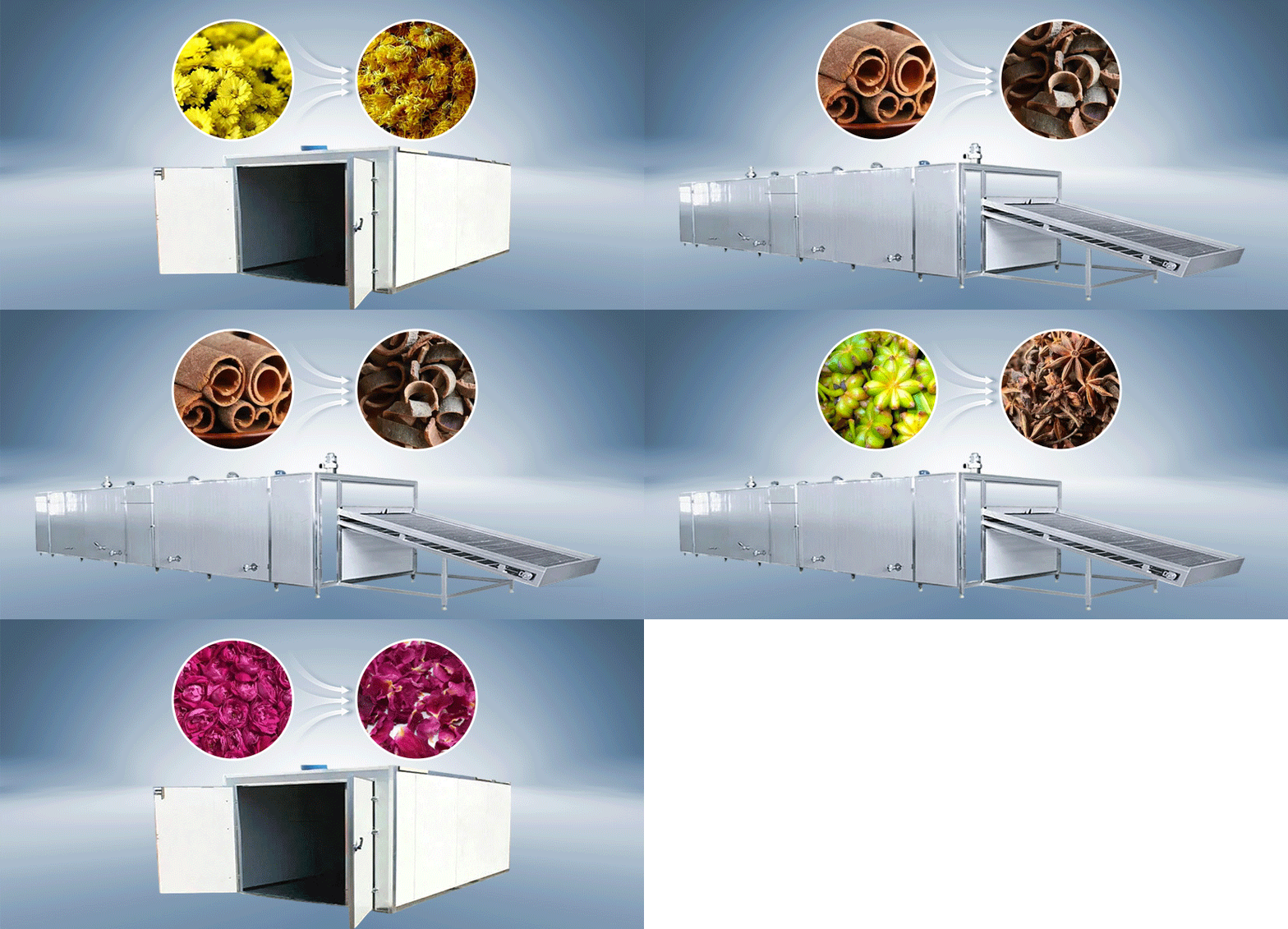
For Visual Fruit Tea (high-appearance series): Apple, orange, and lemon slices (3-4mm) are combined with hibiscus, cornflower, sunflower petals, etc., using staged drying – initial low temperature for color setting, followed by a short high-temperature phase for crispness – ensuring perfect visual presentation in transparent tea bags. Petals retain their form and natural color after drying. Taiwanese brand Mr.Wish's Nordic Sun-Dried Fruit Tea series uses similar ambient drying technology (20°C, 55% RH) to preserve original fruit flavor.
For Instant Fruit Tea Granules (innovative product): Juice from multiple fruits is vacuum-concentrated at low temperature and spray-dried into instant granules for cold brew and powdered drinks.
3. Waste Heat Recovery & Clean Energy Utilization
German industrial electricity prices are high, but environmental regulations are strict. We equipped the line with a closed-loop heat pump vacuum system and waste heat recovery, achieving a system COP over 4.2, saving 65% energy compared to traditional electric heating.
Vacuum pumps use variable frequency drives, automatically adjusting power based on load to further reduce electricity costs.
The production line has passed German TüV energy efficiency certification, meeting the highest EU environmental standards.
Client Testimonial: "Fruit Aroma Blossoms" from the Black Forest to European Teacups
After commissioning, T***M Group's business expanded rapidly.
Capacity & Market Breakthrough
Throughput: Processes 25 tons of fresh fruit daily, converting previously low-value Grade B fruit into premium fruit tea. The selling season extends year-round.
High-End Market Access: The additive-free, non-sulphured low-temperature vacuum drying process helped secure German organic (Bioland), EU Organic (ECOCERT), and Clean Label certifications. By 2025, exports to France, the Netherlands, and Sweden grew 450%, with products entering mainstream supermarkets and organic food chains.
Significant Economic Benefits
Product Premium: The visual fruit tea series retails for �40-50/kg, 2-3 times the price of traditional fruit teas. Recovered natural fruit flavors sell for �80-120/kg, becoming a new profit center.
Return on Investment: Group CEO Mr. Schmidt calculated: "Those Grade B fruits used to go to jam factories for under �1/kg. Now as fruit tea, they average over �15/kg. From this alone, we recouped the entire equipment investment in under 18 months. Plus, the heat pump vacuum system uses even less electricity than expected, cutting energy costs by 60%."
Environmental & Social Responsibility
Zero Waste Goal: Comprehensive fresh fruit utilization increased from 70% to over 98%. Byproducts like pomace are used for compost or biomass energy.
Carbon Neutral Production: The heat pump system and waste heat recovery cut the line's carbon emissions by 70%, earning Baden-Württemberg's "Climate Neutral Company" certification.
"The Black Forest summer gives us the world's most aromatic berries, but we used to watch nearly a fifth of our harvest sold cheaply just because of 'appearance' issues. Hadof's drying line showed us that real technology perfectly preserves the natural aroma and color of every berry, letting German fruit tea continue to lead the European market for another hundred years."
—— T***M Fruit & Herb Tea Group, CEO Klaus Schmidt