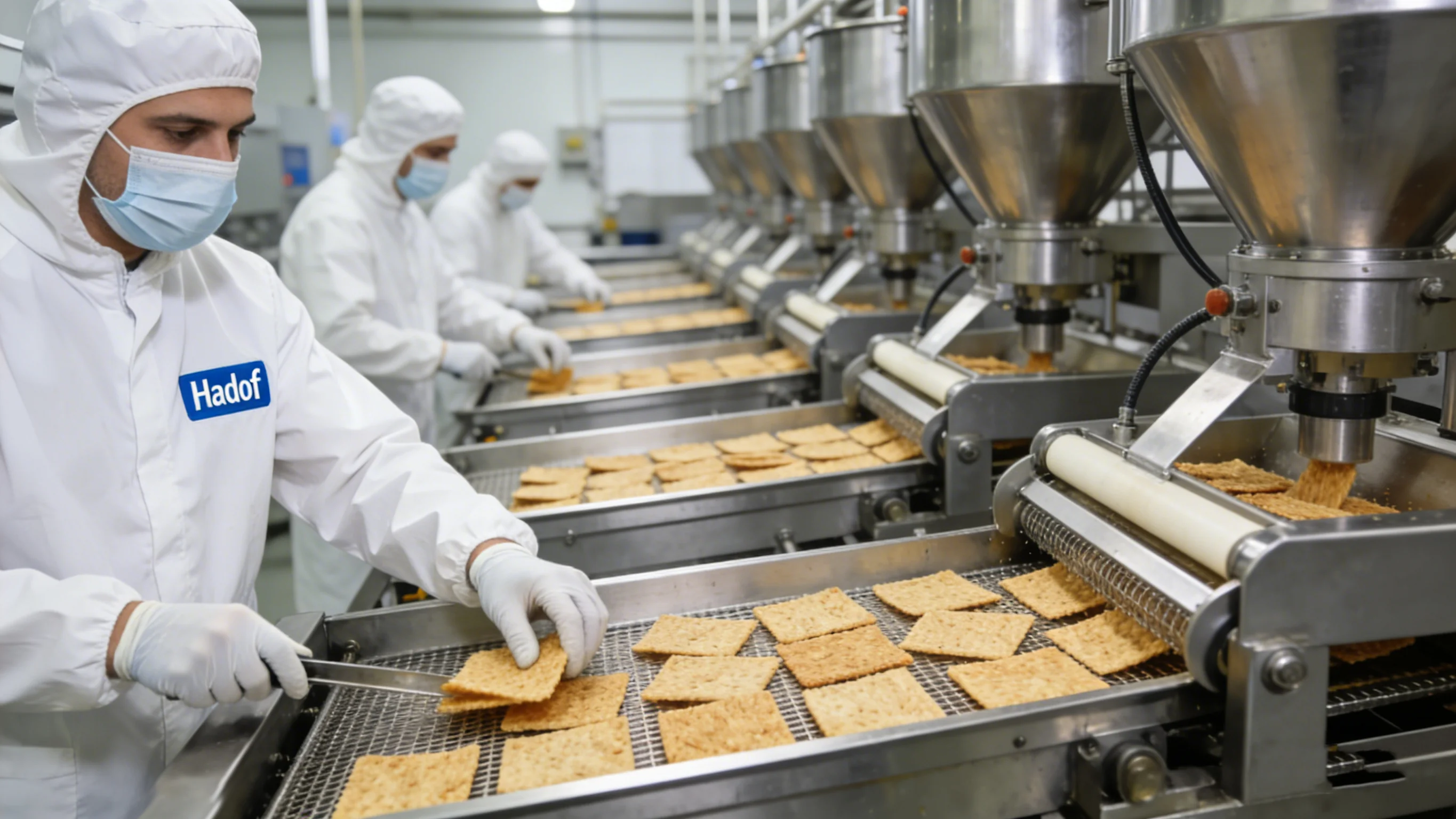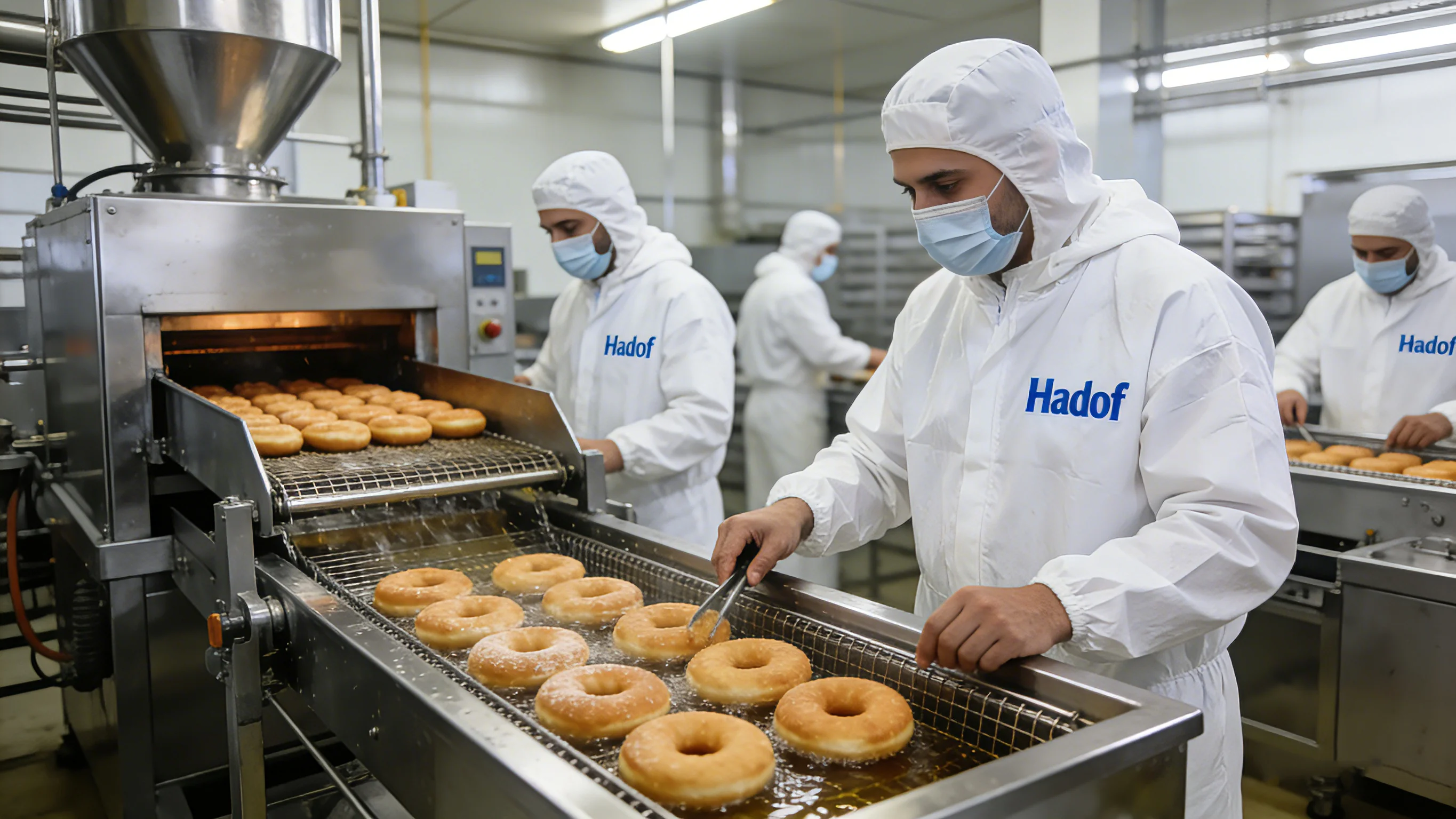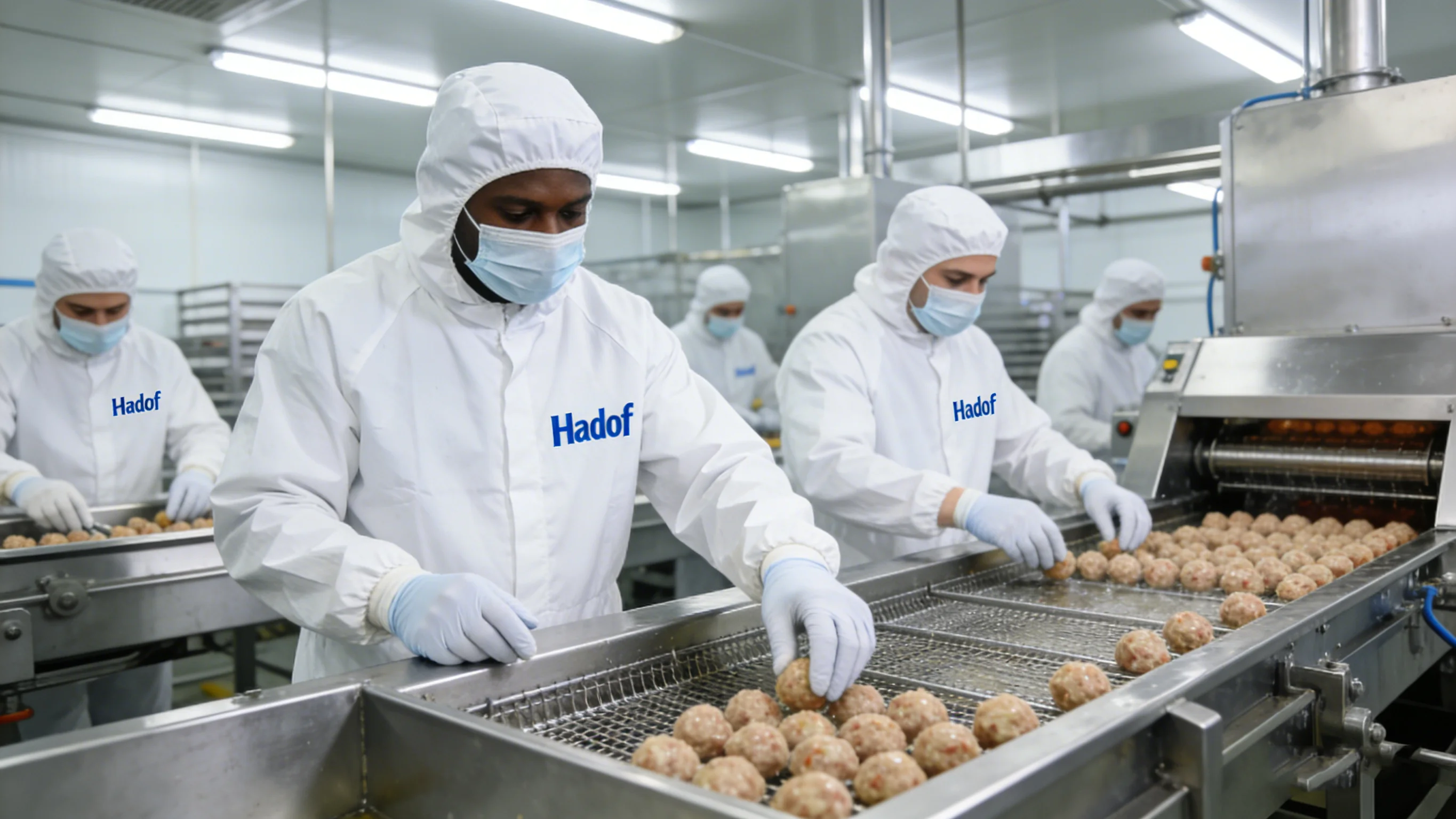

On-site Planning

Installation & Commissioning

Automated & Energy Efficient
Client Name: Ajinomoto Frozen Foods Co., Ltd.
Country: Japan
Region: Isesaki, Gunma Prefecture – a core food industry park in northern Kanto, one of Japan's three largest frozen food production areas
Core Products: Beef croquette flavor meatballs, takoyaki flavor meatballs, cheese-filled fish balls, vegetable tofu meatballs
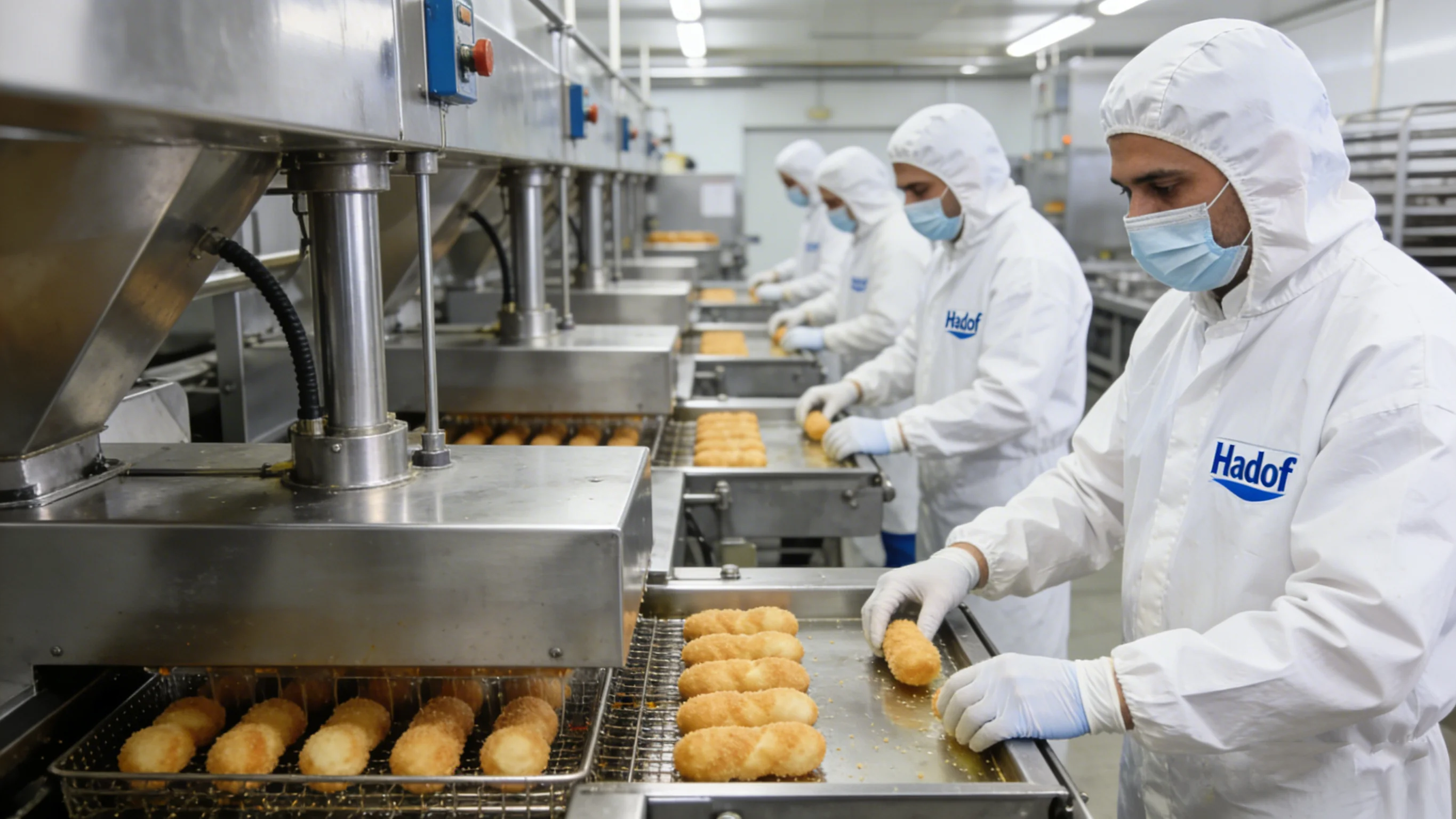
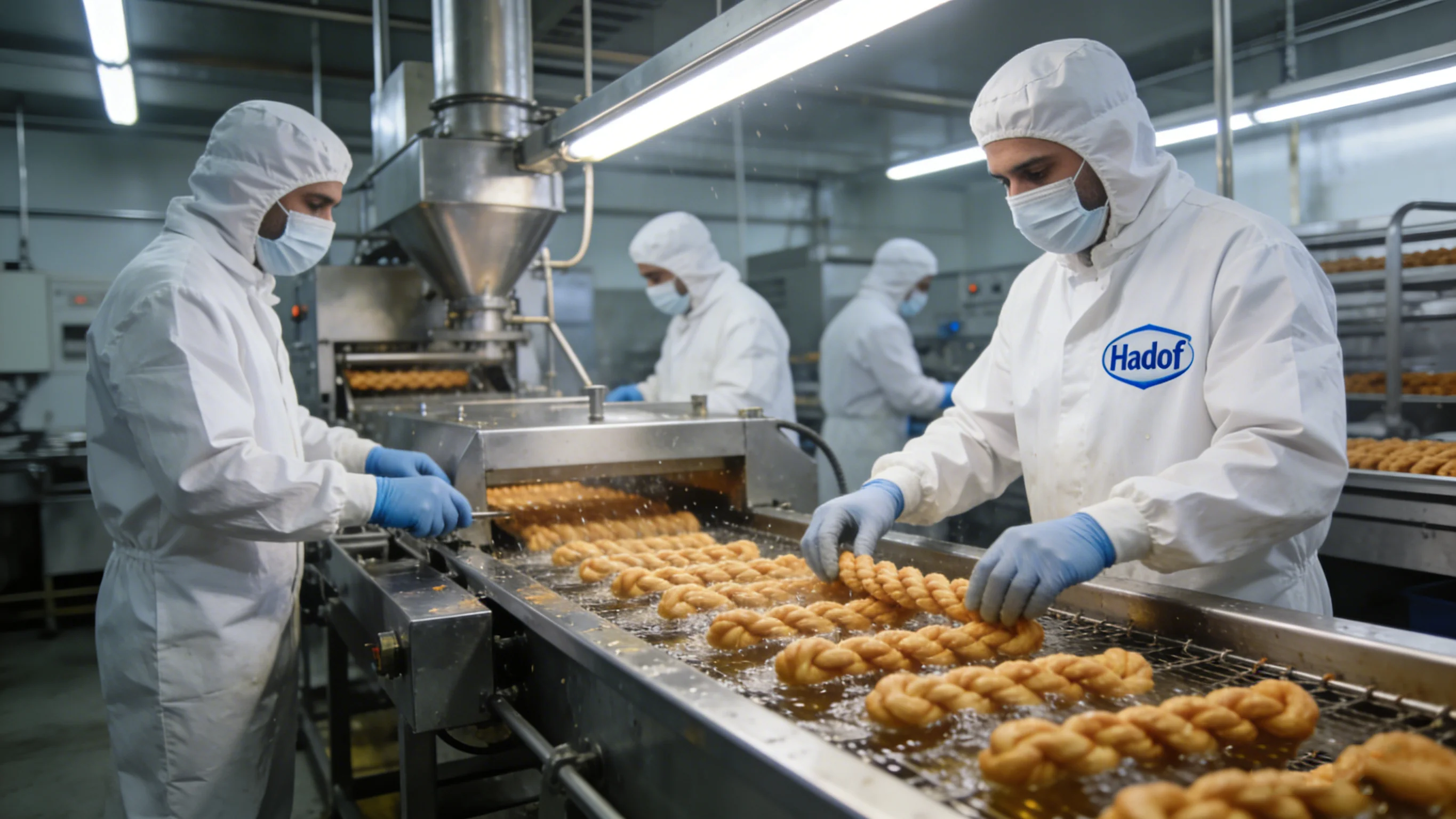
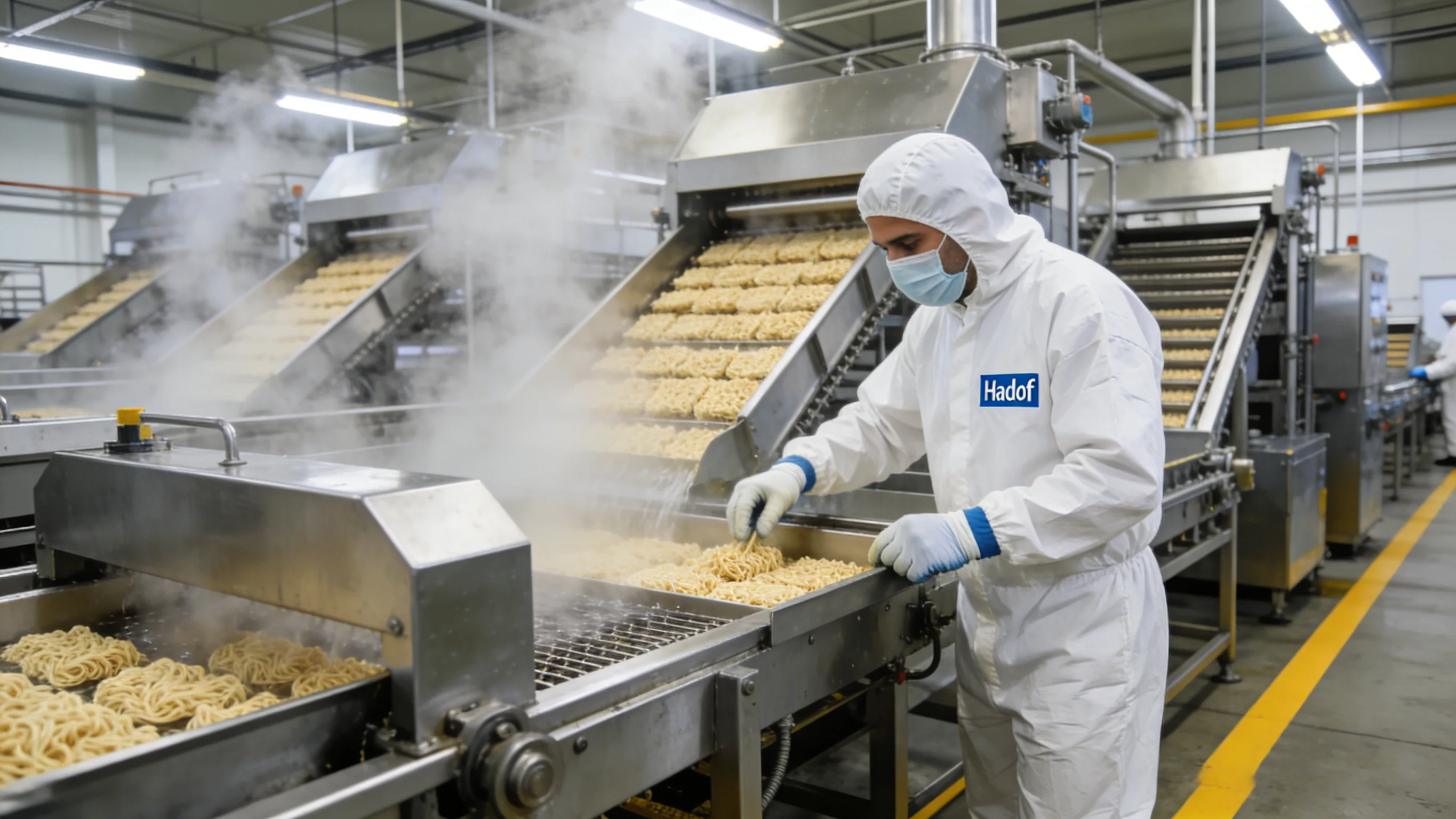
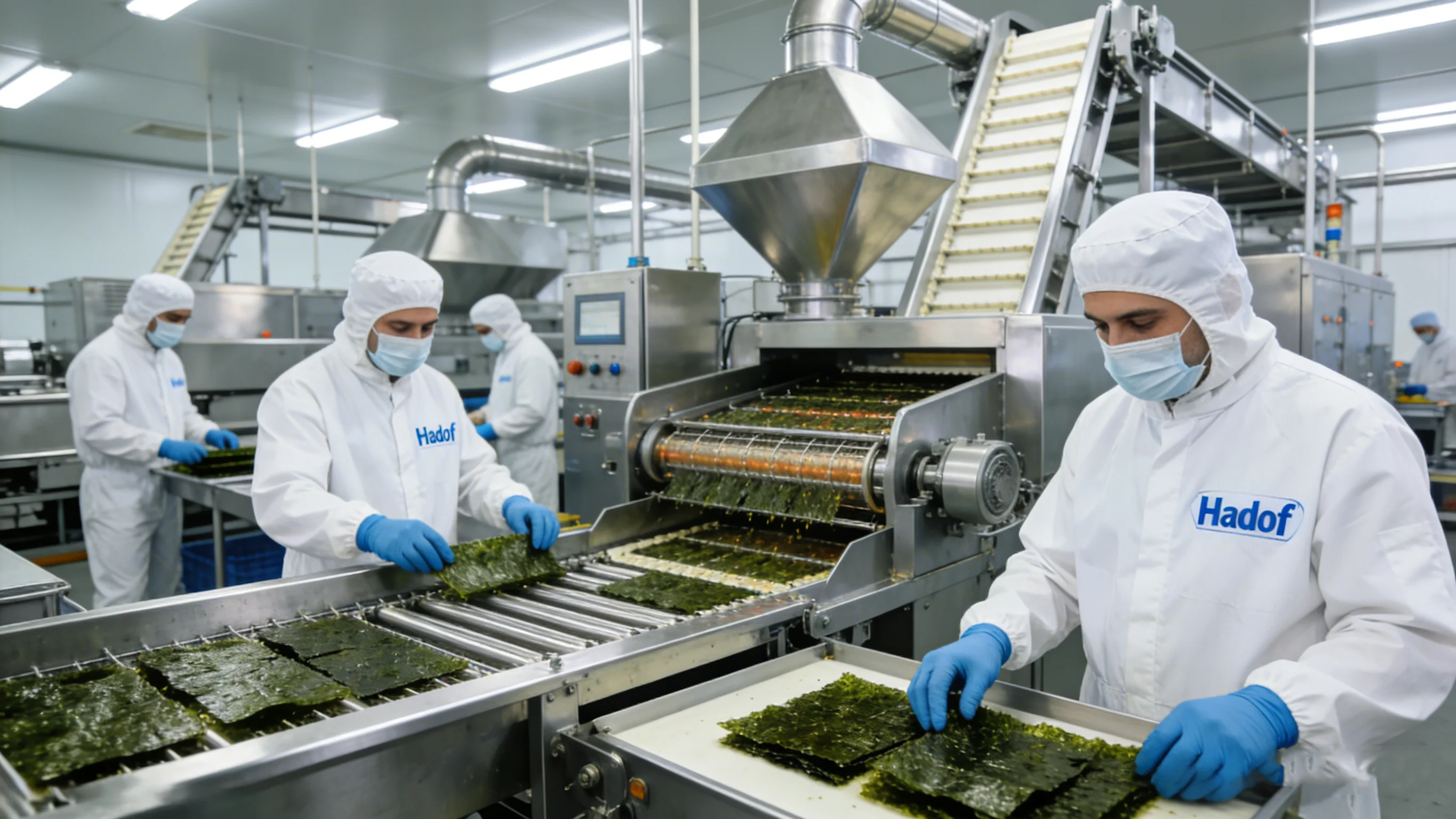
Equipment Configuration: Hadof custom fully automatic batter injection molding + dual?zone oil bath frying line (capacity 800kg/h, including IQF freezing and automatic packaging integration)
Commissioning Date: Q2 2024
Japan has one of the most mature frozen food markets in the world, with the frozen fried meatball category alone exceeding 200 billion yen annually. Ajinomoto's Gunma plant is one of Japan's largest frozen food production facilities, supplying oden and frozen fried products to the three major convenience store chains (7?Eleven, FamilyMart, Lawson) and supermarkets nationwide. As convenience store fresh food competition intensified, Ajinomoto decided to develop a new "home frying" meatball series targeting air fryer and oven reheating scenarios. However, during industrial production, they encountered challenges that traditional processes could not overcome:
Difficulty controlling shape and molten filling: Products like cheese-filled and curry-filled meatballs require the internal filling to remain liquid after frying. Traditional processes either caused the filling to leak out or solidify, losing the molten texture.
Contradiction between surface crispiness and frozen reheating: Japanese consumers demand extremely high crispiness after reheating frozen fried foods. Traditional fried meatballs either become soft or too hard after freezing and reheating, failing to meet convenience store fresh food standards.
Low changeover efficiency for multiple varieties: Ajinomoto needed to produce several flavors simultaneously (beef, takoyaki, cheese, vegetable). Traditional lines required up to 4 hours of cleaning for flavor changes, severely impacting OEE.
Oil degradation and flavor carryover: Takoyaki flavor contains seafood ingredients, which left residual odors in the oil. Without thorough cleaning during changeover, these odors would contaminate subsequent beef or cheese flavor products.
Ajinomoto's technical team had evaluated equipment from several German and American manufacturers, but found that Western machines could not meet Japanese consumers' pursuit of "crispy outside, soft inside, and molten filling." Through the Japan Frozen Food Association, they initiated joint R&D with Hadof. After eight months, we developed this industrial frying line specifically designed for "Japanese frozen food standards + multi?flavor molten meatballs."
1. Dual?Layer Batter Injection + Liquid Nitrogen Instant Freezing – Molten Filling Retention 98%, Zero Leakage
To solve the molten filling problem, we designed a dual?layer injection system: first, the outer batter (fish/chicken surimi) is injected, then the molten inner filling (cheese/curry) is precisely dosed. After molding, the meatballs pass through a liquid nitrogen spray tunnel, where the surface instantly freezes to form a protective shell, completely sealing the filling inside. During frying, the outer shell rapidly expands while the filling heats slowly. Upon exiting the fryer, the center temperature reaches exactly 65°C, achieving perfect cheese pull?away, with a molten filling retention rate of 98%.
2. Dual?Zone Variable Pressure Frying + Steam Surface Conditioning – Crispy Even After Freezing and Reheating
We designed the frying section with two zones: high?temperature crisping and low?temperature cooking. Zone 1 at 190°C quickly forms a crispy crust; Zone 2 at 160°C slow?cooks the interior. After the fryer, a steam conditioning section applies a brief burst of steam, causing the surface micro?pores to close slightly, preventing moisture absorption during freezing. After 30 days of storage at -18°C, reheating in an air fryer (200°C/5 minutes) yields a crispiness score of 9.2 out of 10, comparable to freshly fried meatballs.
3. Modular Quick?Change Molds + CIP Self?Cleaning System – Changeover Time Reduced from 4 Hours to 30 Minutes
To meet multi?flavor production requirements, we designed modular quick?change injection heads. Changing flavors requires only swapping the corresponding mold module, taking 5 minutes. The fryer is equipped with a CIP online cleaning system, using high?pressure rotating nozzles and food?grade cleaning agents to thoroughly remove seafood flavor residues. Changing from takoyaki flavor to beef flavor now takes just 30 minutes instead of 4 hours, with flavor detection confirming zero cross?contamination.
4. Low?Temperature Vacuum Filtration + Nitrogen?Protected Oil Storage – TAT Value Stable Below 1.8
To address oil degradation caused by seafood flavors, we added a low?temperature vacuum filtration system (60°C/-0.05MPa) that quickly removes polar compounds and odor?causing substances from the oil. The oil tank is sealed with nitrogen to exclude oxygen. After 15 days of continuous production, the total polar material (TAT) value remains stable below 1.8 (Japanese standard ≤2.5), and oil consumption is 30% lower than traditional equipment.
Capacity and Quality Leap
Daily capacity: Increased from 6 tons/day on the traditional line to 18 tons/day on the automated line (two shifts), capable of running continuously for 20 days without quality fluctuations. Total production in the second half of 2024 exceeded 3,200 tons, with product qualification rate rising from 91% to 98.5%.
Channel Breakthrough
The perfect molten filling and frozen?reheat crispiness helped Ajinomoto's "Ouchi de Agetate" (Freshly Fried at Home) series quickly capture the market, selling over 100 million units in the first three months. The product entered 22,000 convenience stores and major supermarkets nationwide. By the end of 2024, the series began exporting to Singapore, Hong Kong, and Taiwan, becoming a rising star in Japanese frozen food exports.
Economic Benefits
Return on Investment: The plant manager at Ajinomoto's Gunma facility stated: "The traditional line required 28 people per shift; now the entire line runs with just five. We save over 120 million yen annually in labor costs alone. Combined with lower oil consumption and higher yield, the actual payback period is under 14 months."
Product Premium: The premium experience of molten filling and fresh?fried crispiness allows Ajinomoto's meatballs to command a 35% higher retail price than similar products, yet they remain in high demand, setting a technical benchmark for Japan's frozen food industry.
"Hadof's equipment helped us achieve Japanese consumers' highest expectations for frozen fried foods – crispy outside, soft inside, and a molten filling. Now our meatballs can proudly claim to be 'still like freshly fried after thawing.' This is the essence of Japanese manufacturing."
—— Hidekazu Tanaka, Plant Manager, Ajinomoto Frozen Foods Co., Ltd. (Gunma Plant)