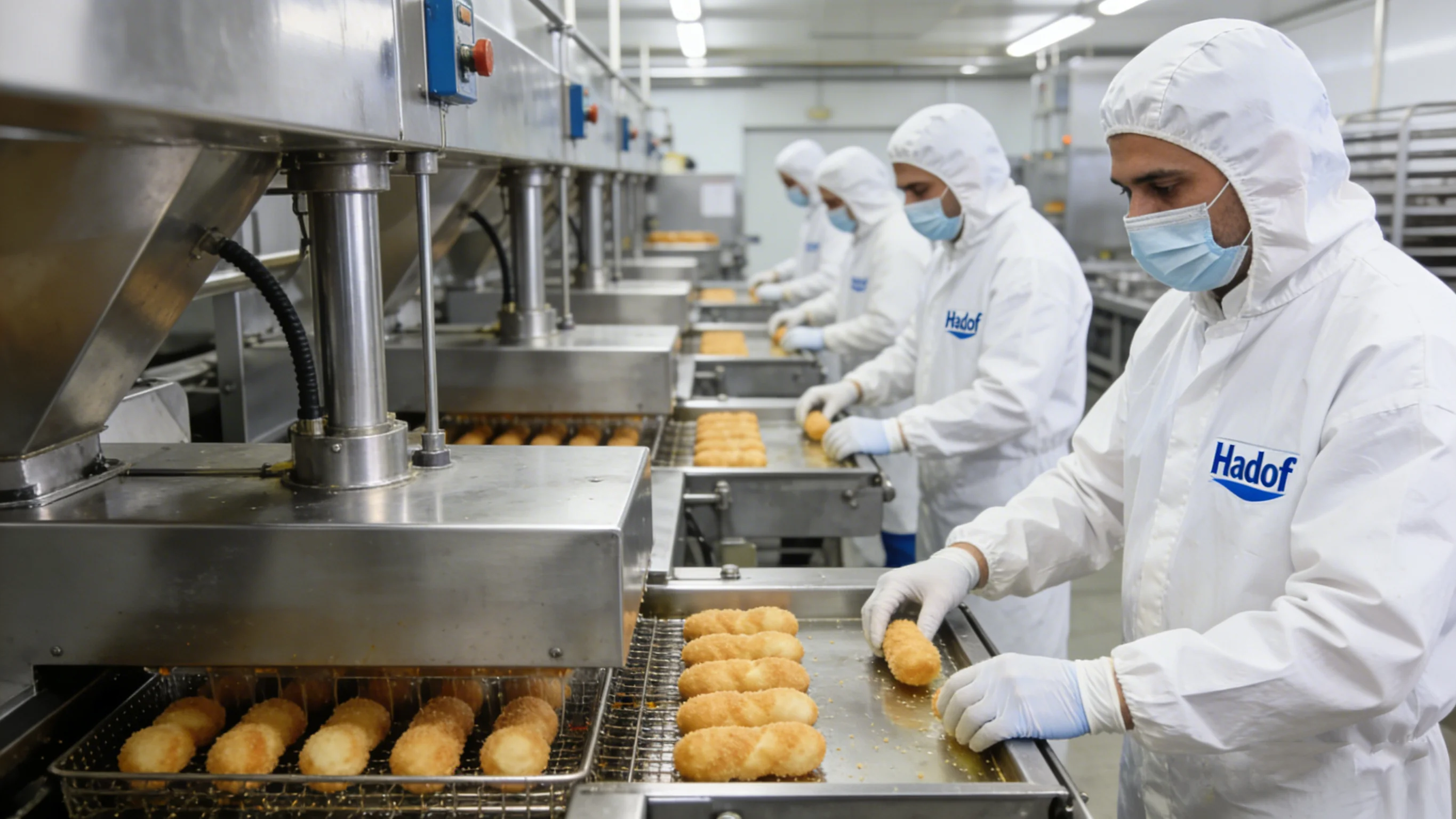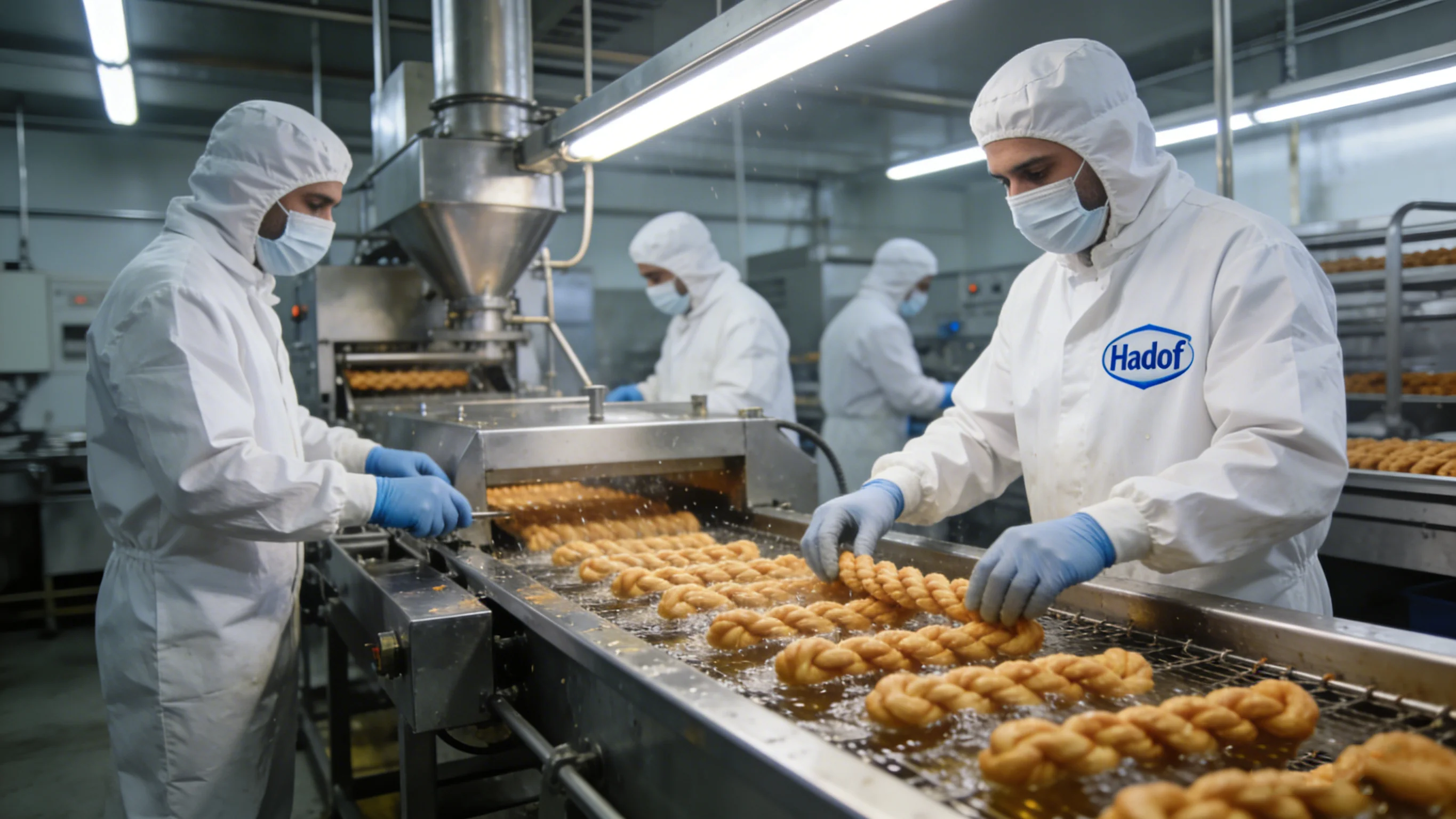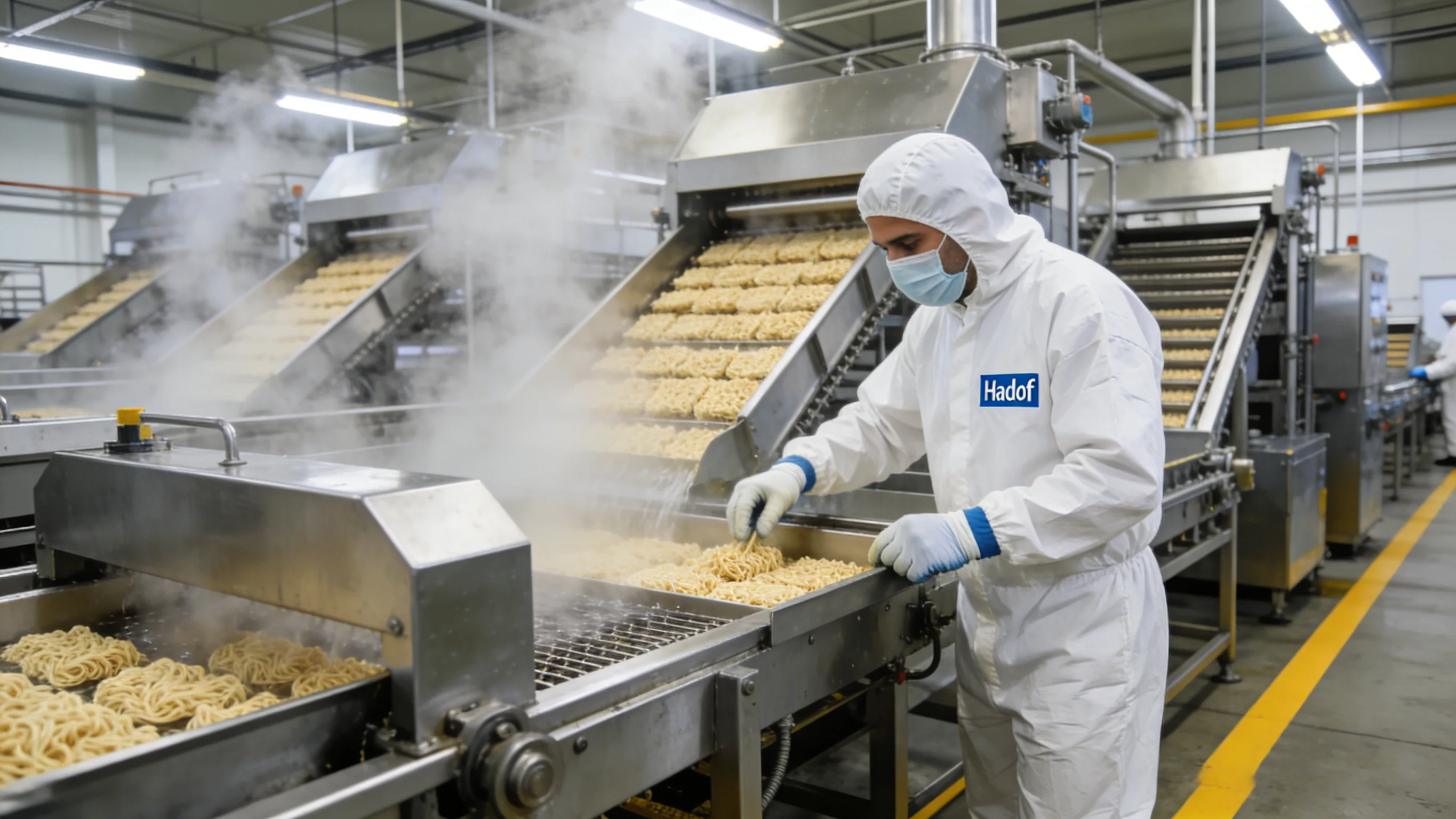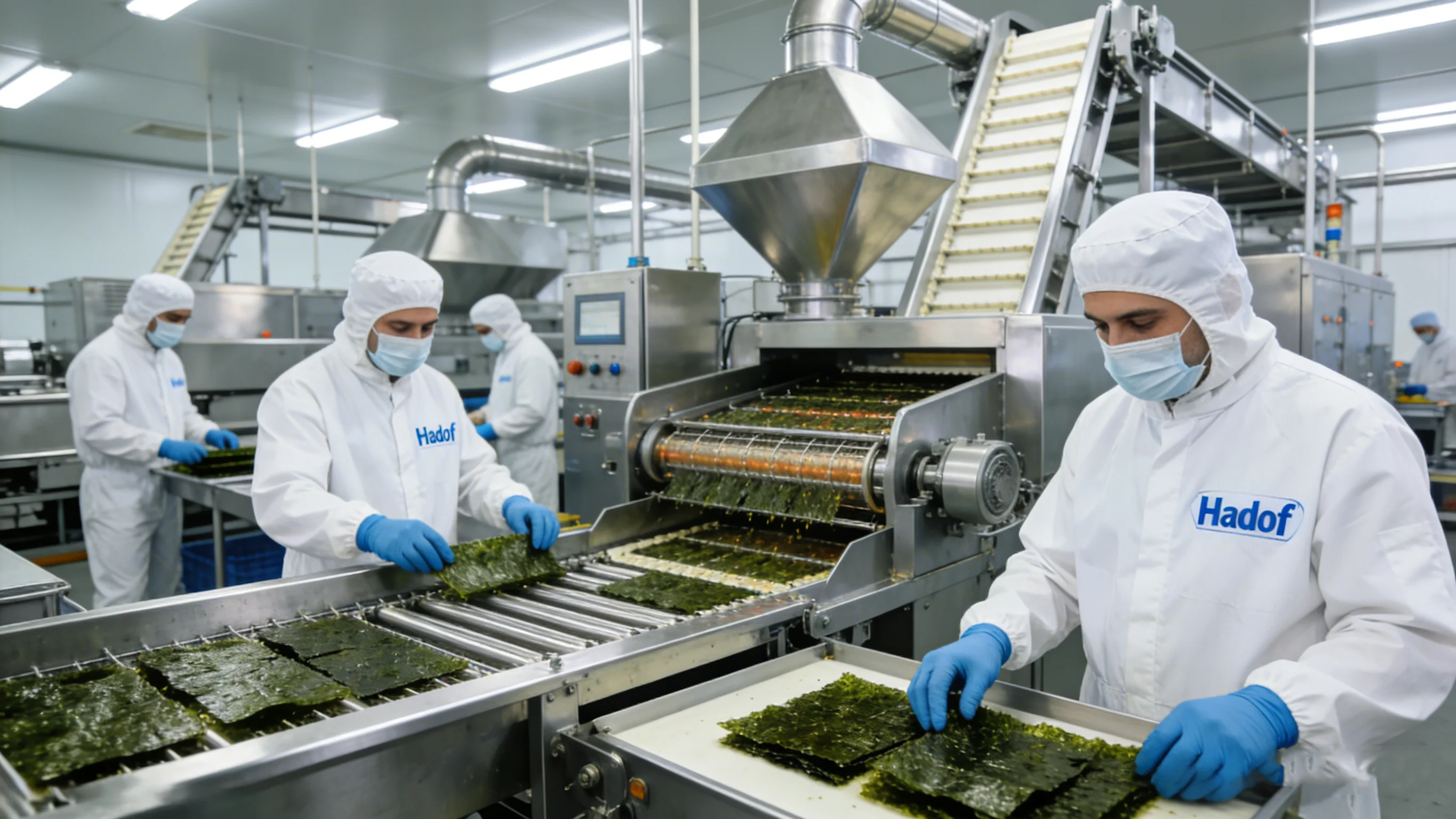

On-site Planning

Installation & Commissioning

Automated & Energy Efficient
Client Name: Thai Union Group PCL – Snack Foods Division
Country: Kingdom of Thailand
Region: Hat Yai, Songkhla – southern Thailand's seafood processing hub on the Gulf of Thailand, Asia's largest tuna processing base
Core Products: Lemongrass fried fish skin, Tom Yum crispy squid rings, curry crab flavor crispy shrimp, fried mudfish cakes, spicy fried mussels
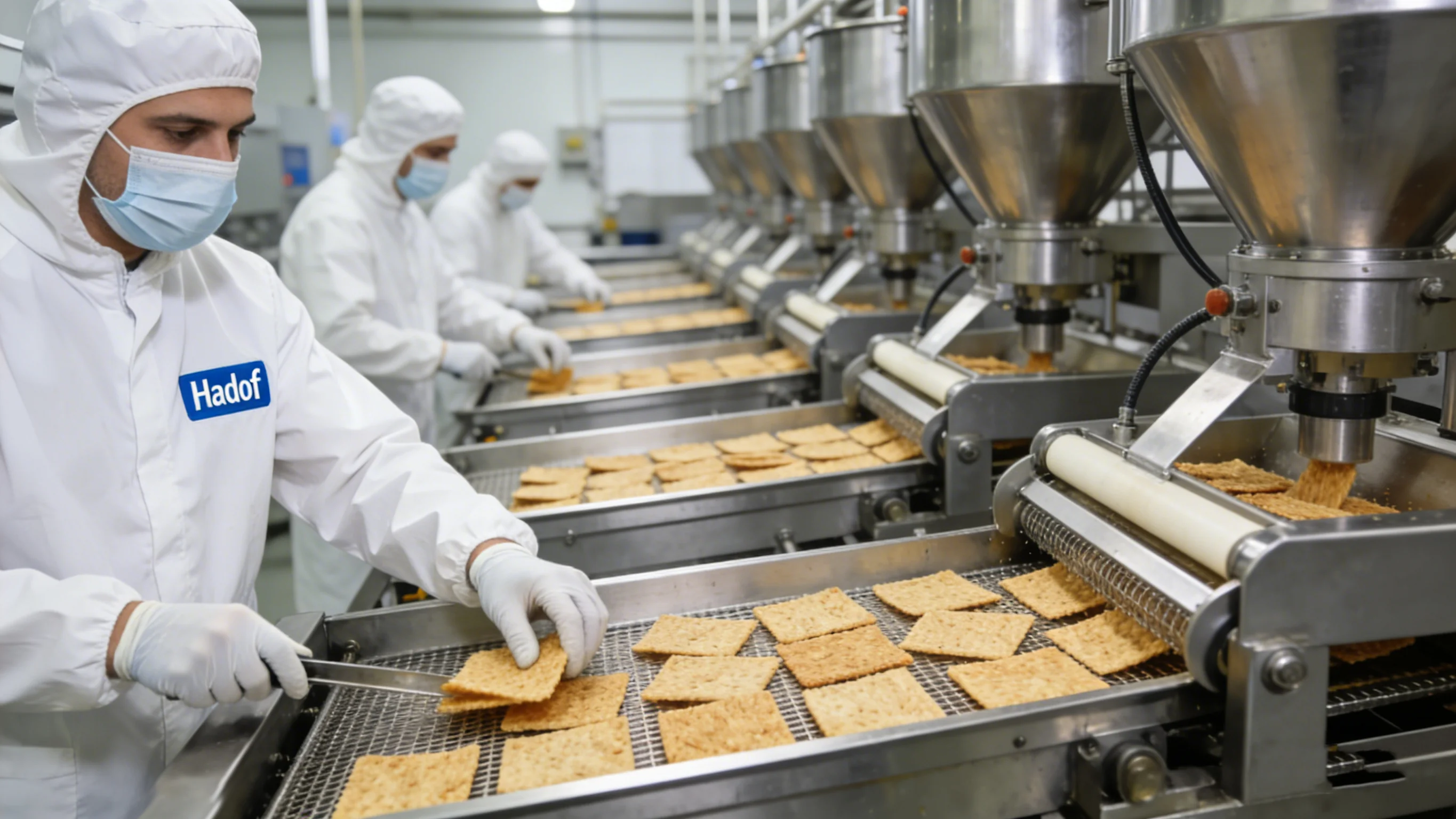
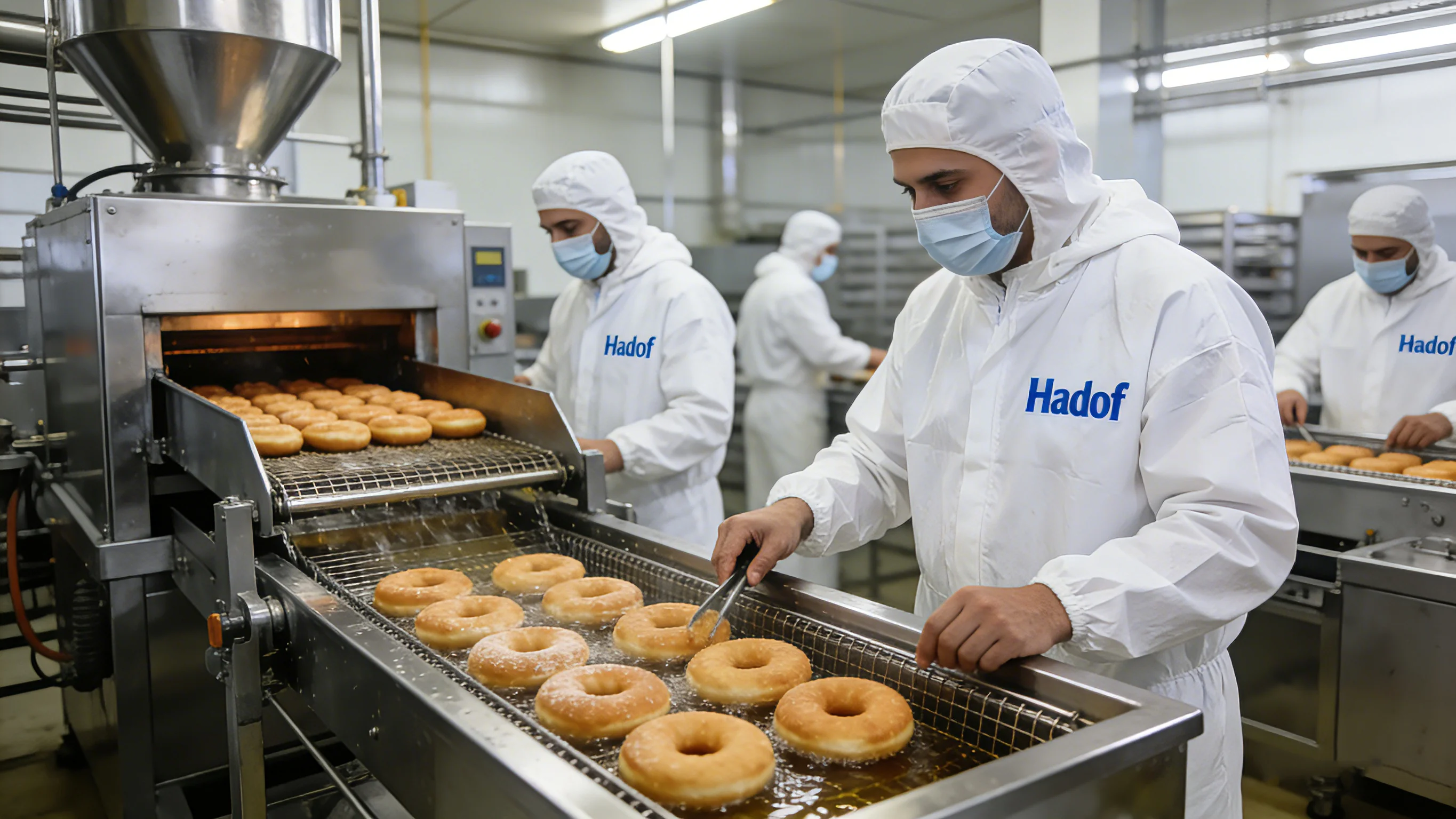
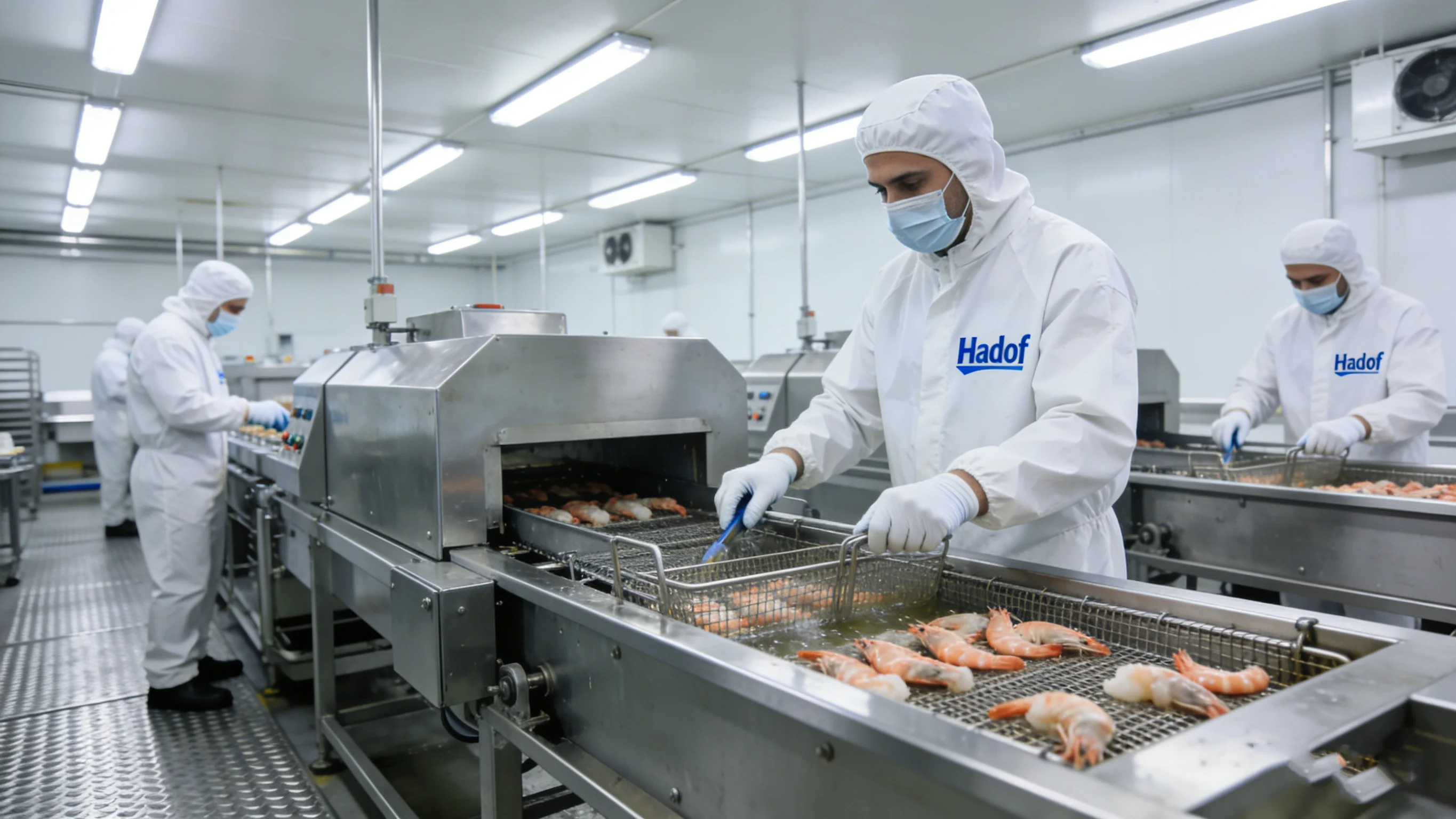
Equipment Configuration: Hadof custom multi?species seafood feeding + dual?zone oil bath frying line (capacity 600kg/h, including automatic seasoning drum and nitrogen packaging integration)
Commissioning Date: Q3 2024
Thailand is one of the world's largest seafood exporters, and Songkhla Province, as a southern seafood processing hub, handles millions of tons of seafood annually. Thai Union Group is a global seafood giant whose brands "King Oscar" and "Chicken of the Sea" are popular in Europe and America. To respond to the global snack trend, Thai Union decided to leverage its seafood raw material advantages to develop a premium fried seafood snack series. However, during industrial production, they encountered challenges that traditional processes could not overcome:
Wide variety of seafood, large process differences: Fish skin, squid, shrimp, mussels, etc., vary greatly in moisture content, fat content, and texture. Traditional lines could not handle multiple species efficiently, requiring hours of adjustment for each changeover.
Conflict between odor control and flavor retention: Thai flavors like lemongrass, Tom Yum, and curry require preserving the seafood's natural taste while removing off?odors. Traditional frying left strong residual fishy smells, and spice flavors were easily destroyed by high temperatures.
Contradiction between crispiness and oil absorption: Fried fish skin demands extreme crispiness with low oil content. Traditional processes resulted in oil content above 40%, greasy texture, and short shelf life; squid rings tended to become tough and hard.
Rapid deterioration of seafood oil: Seafood contains high levels of unsaturated fatty acids, causing frying oil to oxidize quickly, develop rancid off?flavors, requiring frequent replacement and high cost.
Thai Union's R&D team had evaluated equipment from several Japanese and Norwegian manufacturers but found that Western/Japanese machines were designed for single species and could not meet Thai multi?species production needs. Through the Federation of Thai Industries, they initiated joint R&D with Hadof. After seven months, we developed this industrial multi?species seafood frying line specifically designed for "tropical seafood + Thai flavors."
1. Intelligent Vision Recognition + AI Adaptive Temperature Control – One?Key Switch for Fish Skin / Squid / Shrimp / Mussels
To handle multi?species production, we integrated a machine vision system at the feeding end to automatically identify the raw material type (fish skin, squid rings, shrimp, mussels). The AI algorithm instantly recalls the corresponding process parameters – frying temperature, time, belt speed, and oil level are automatically adapted. Changeover time was reduced from 3 hours to 5 minutes, enabling mixed?flow production of six types of seafood (fish skin, squid, shrimp, etc.) and increasing OEE by 40%.
2. Vacuum Infusion De?odorizing + Low?Temperature Flavor Penetration – Even Thai Spice Absorption, 95% Odor Removal
We designed a vacuum infusion pre?treatment system: under -0.09MPa negative pressure, lemongrass juice, Tom Yum paste, and curry sauce uniformly penetrate the seafood tissue while simultaneously drawing out odor?causing compounds. After pre?treatment, the seafood enters the low?temperature frying zone (first zone 165°C) to prevent high?temperature damage to spice flavors. Tests showed trimethylamine (fishy odor) levels reduced by 95%, and flavor retention increased threefold.
3. Dual?Zone Pulsed Frying + Centrifugal De?oiling – Fish Skin Oil Content 32% → 23%, Squid Tenderness Increased by 50%
To address the different characteristics of seafood, we designed the frying section with dual?zone pulsed mode: fish skin passes through the high?temperature zone (185°C pulsed) for rapid puffing and crispness; squid and shrimp pass through the low?temperature zone (160°C constant) for slow frying to retain tenderness. After the fryer, a centrifugal de?oiling unit reduces fish skin oil content from 32% to 23% and increases crispiness by 70%; squid ring shear force is reduced by 50%, making them tender without being tough.
4. Low?Temperature Vacuum Filtration + Natural Antioxidant Spraying – Oil Life Extended by 3 Times, TAT Value <2.0
To combat rapid oil oxidation from seafood, we equipped the line with a low?temperature vacuum circulating filtration system (55°C/-0.06MPa) to continuously remove polar compounds and odor substances from the oil. After frying, a natural rosemary extract spray further enhances antioxidant capacity by five times. After 20 days of continuous production, the oil's total polar material (TAT) value remains stable below 2.0 (Thai Union standard ≤2.5), extending oil replacement intervals from 3 days to 10 days and reducing oil consumption costs by 35%.
Capacity and Quality Leap
Daily capacity: Increased from 3 tons/day on a single?species line to 12 tons/day on a multi?species mixed?flow line (two shifts), capable of running continuously for 25 days without quality fluctuations. Total production in the second half of 2024 exceeded 2,000 tons, with product qualification rate rising from 85% to 97%.
Channel Breakthrough
The combination of multi?species compatibility, authentic Thai flavors, and low?oil health credentials helped Thai Union's "Street Food Thailand" series sweep global markets: entering Costco in the US, Tesco in the UK, Aeon in Japan, Woolworths in Australia, and other mainstream channels. Exports to the US grew by 300% year?on?year, to Europe by 250%, making it the champion of Thai seafood snack exports.
Economic Benefits
Return on Investment: The Snack Foods Division Director at Thai Union stated: "The traditional line required 20 people per shift; now the entire line runs with just four. We save over 5 million Thai baht annually in labor costs alone. Combined with lower oil consumption and higher yield, the actual payback period is under 15 months."
Product Premium: The industrial?grade consistent quality and authentic Thai flavors allow Thai Union fried seafood products to be priced 45% higher than similar products on the market, yet they remain in high demand, becoming the fastest?growing business segment for the group.
"Hadof's equipment convinced us that the deliciousness of Thai street seafood can be brought to the world with industrial standards. Now every piece of fried fish skin and every squid ring carries the sea breeze of Songkhla and the aroma of Tom Yum. This is the globalization of Thai taste."
—— Thirayuth Limpiti, Snack Foods Division General Manager, Thai Union Group PCL