
On-site Planning

Installation & Commissioning

Automated & Energy Efficient
Client Name: BRF S.A. – Snack Foods Division
Country: Federative Republic of Brazil
Region: Marau, Rio Grande do Sul – Core pork industry region in southern Brazil, Latin America's largest pork processing base
Core Products: Classic barbecue flavored pork rinds, spicy lemon pork rinds, cheese & bacon flavored pork crisp, zero-carb original pork rind snacks
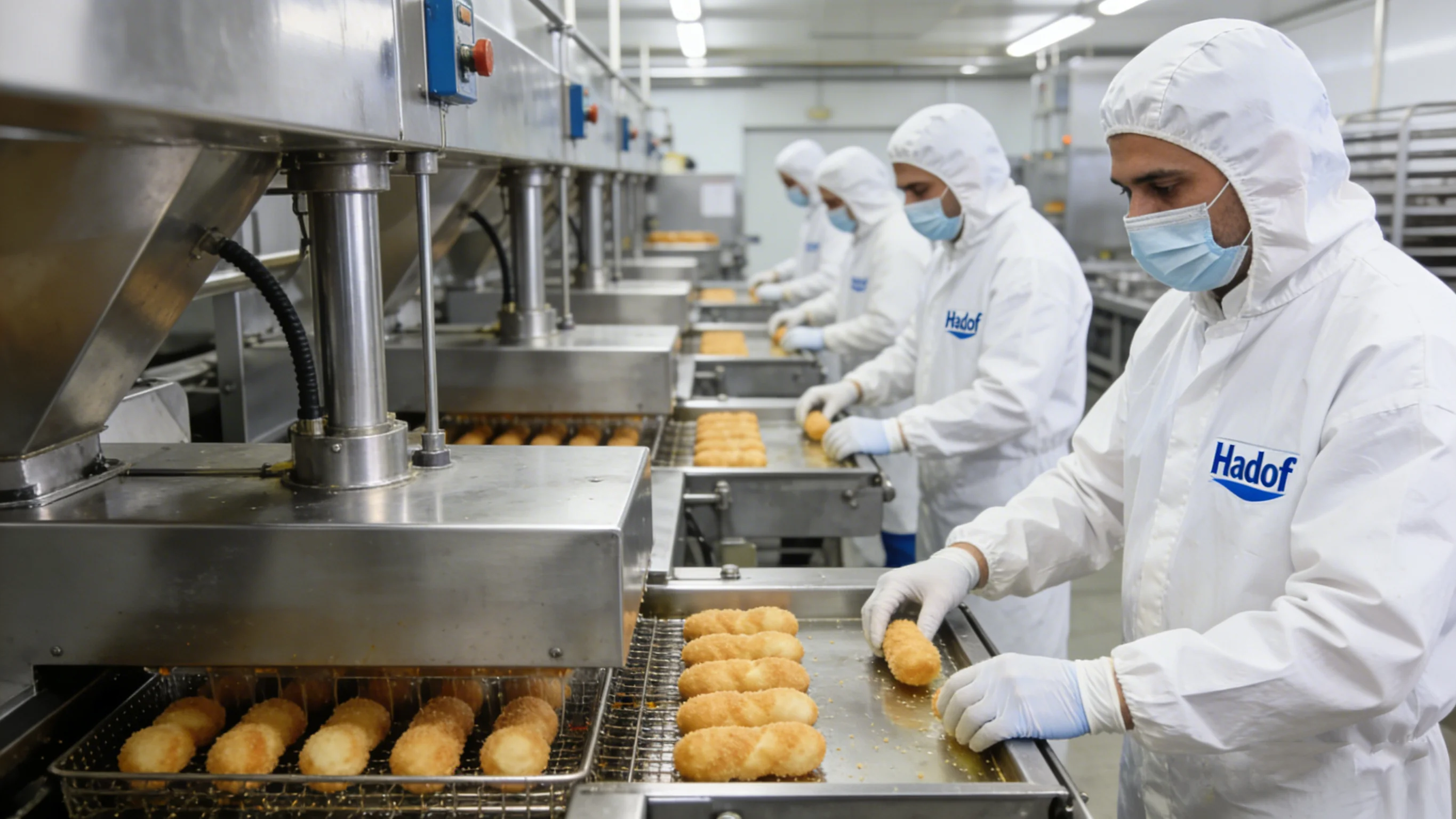
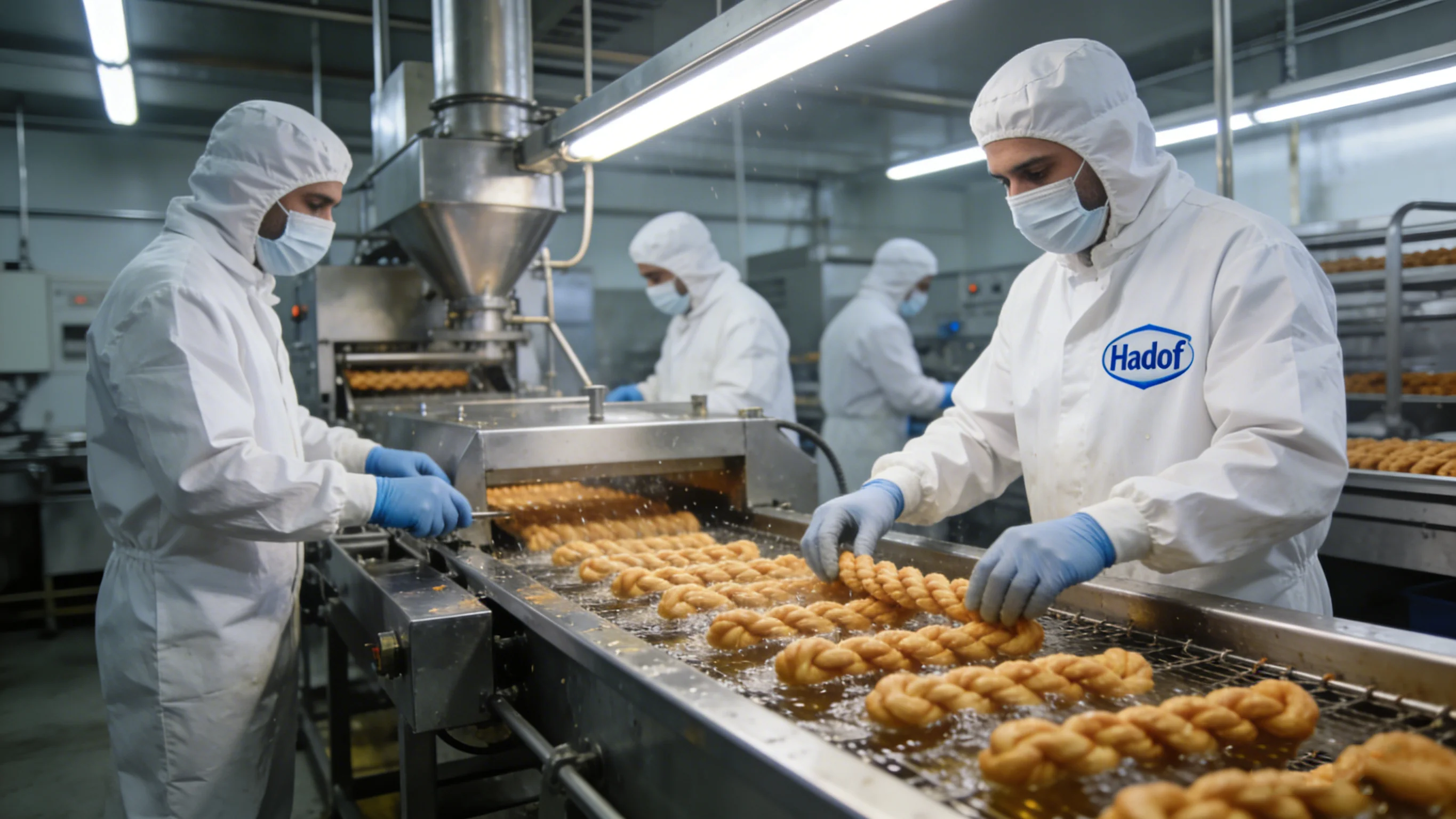
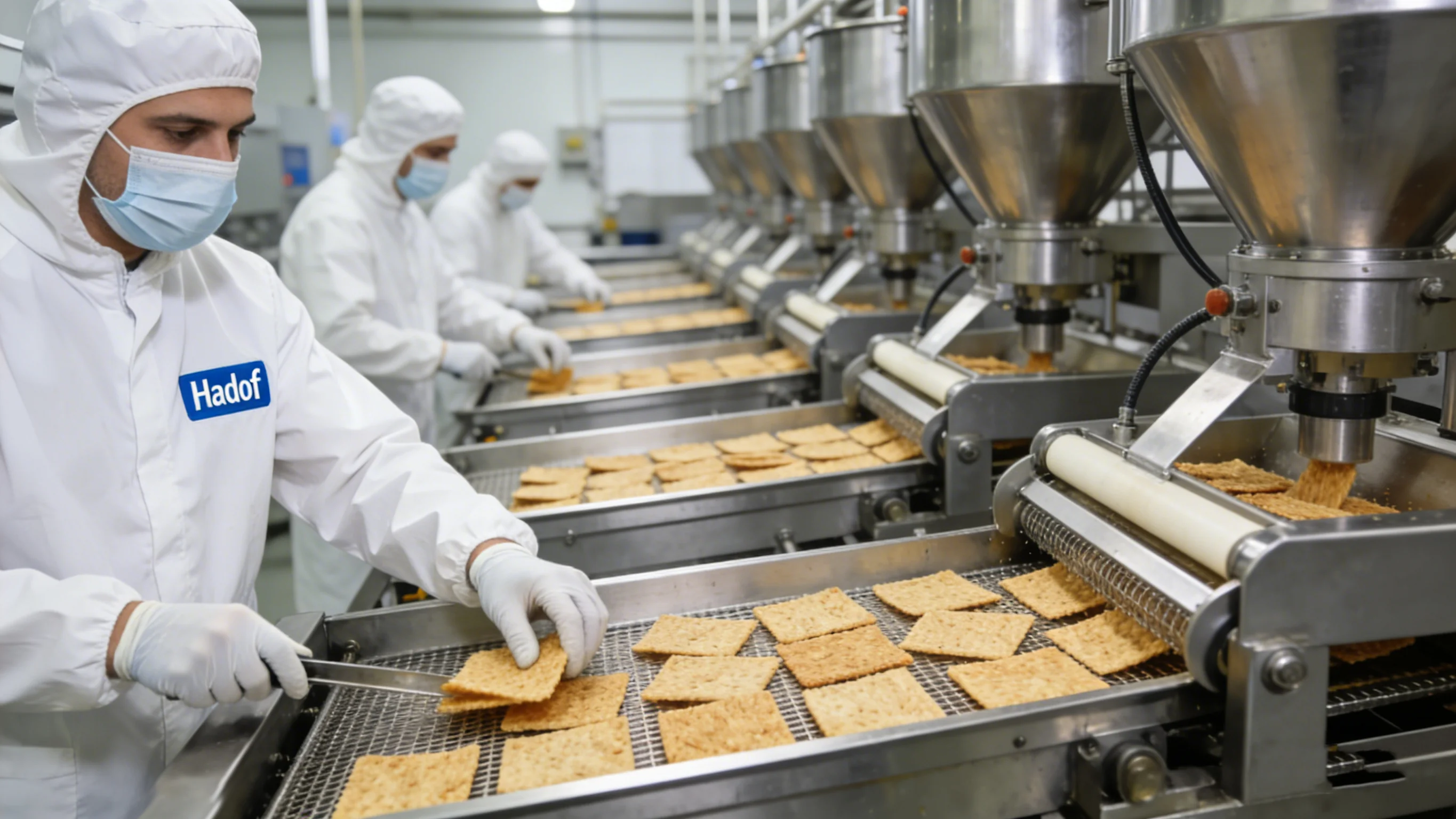
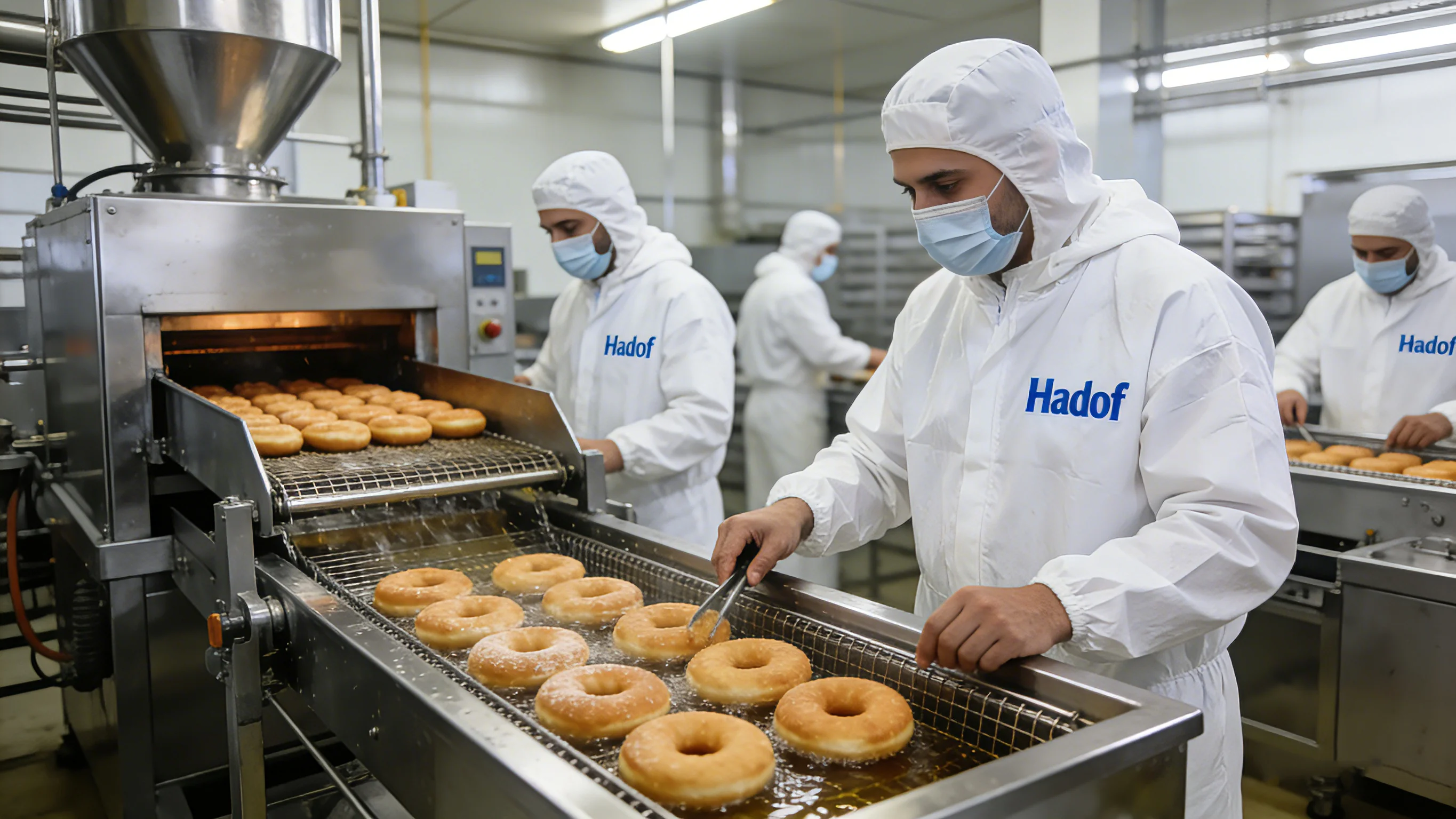
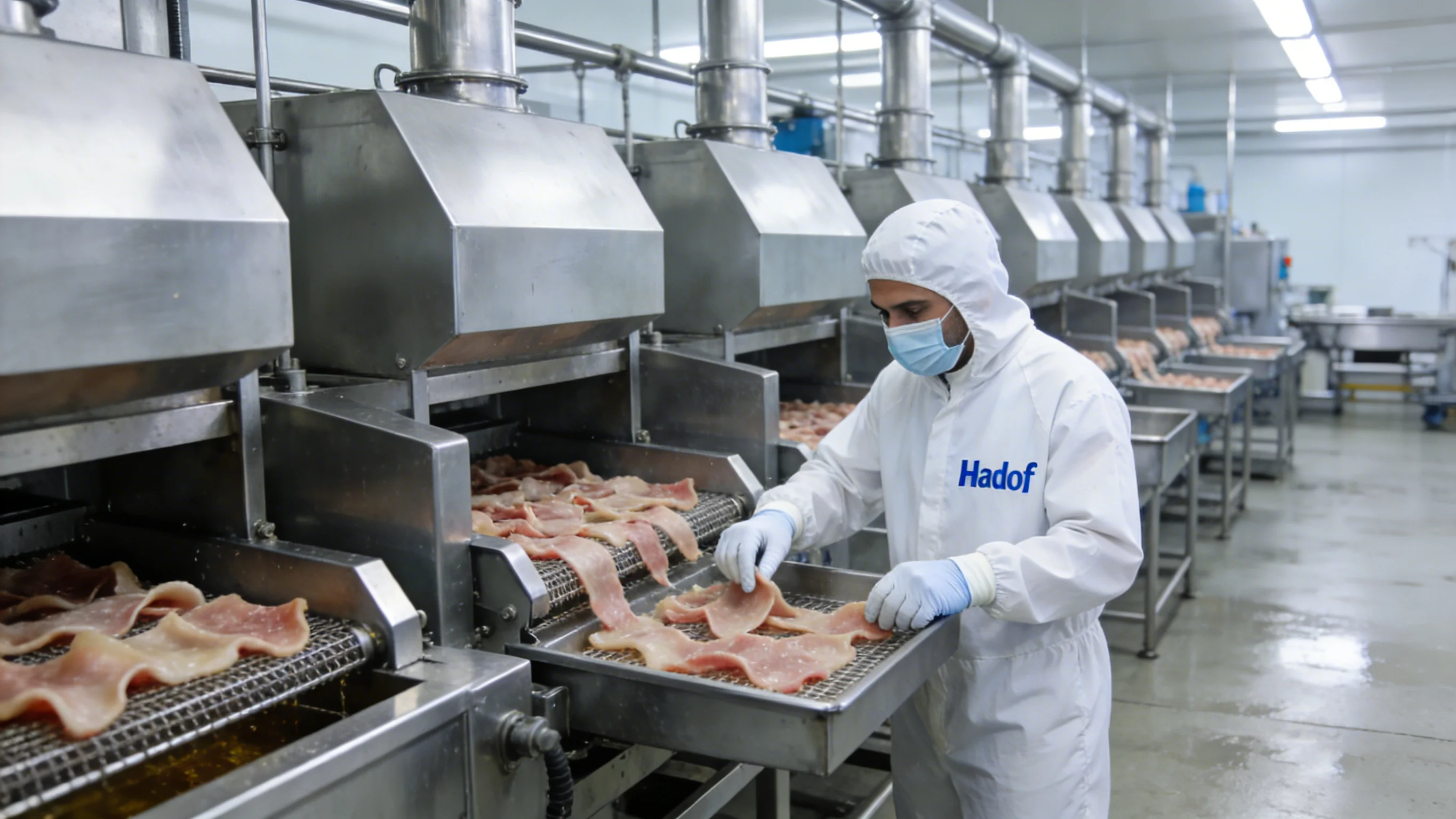
Equipment Configuration: Hadof custom continuous pork rind pretreatment + dual-zone oil bath frying line (capacity 500kg/h, including automatic seasoning drum and nitrogen packaging integration)
Commissioning Date: Q3 2024
Brazil is the world's fourth largest pork producer and exporter, with Rio Grande do Sul contributing 25% of national pork output. BRF, one of the world's largest food companies, owns renowned brands such as Perdig?o and Sadia, processing millions of pigs annually and generating large volumes of pork rind byproducts. In the past, these rinds were mainly used for leather processing or low-value animal feed. However, with the global rise of low-carb, high-protein snacks, pork rinds have seen surging sales in European and American markets. BRF decided to transform this byproduct into a high-end fried pork rind snack line. In industrial production, they faced challenges that traditional processes could not overcome:
Large variation in rind thickness, uneven expansion: Rind thickness from back and belly ranges from 2mm to 6mm. Traditional frying either burns thin pieces or fails to expand thick pieces, with expansion rate differences as high as 40%.
Excessive oil content: Traditional fried pork rinds have oil content exceeding 45%, conflicting with modern healthy snack trends and feeling greasy, leading to low repeat purchase rates.
Difficulty removing odor: Improper handling leaves a residual odor in the finished product, especially clashing with strong flavors like Brazilian barbecue and spicy lime.
Contradiction between hardness and crispness: Consumers seek a melt-in-the-mouth crispness, but traditional processes result in rinds that are either too hard or overly puffed with a lack of chew.
BRF's technical team evaluated several US pork rind equipment manufacturers but found that US equipment was designed for thin-skinned breeds and was not suitable for Brazil's thick-skinned pigs. Through the Brazilian Animal Protein Association (ABPA), they initiated joint R&D with Hadof. Over eight months, we developed this industrial pork rind frying line, specifically designed for "Brazilian thick-skinned pigs + South American bold flavors."
1. Laser Thickness Measurement + AI Adaptive Pre-drying – Expansion Rate Difference Reduced from 40% to 5%
To address the uneven thickness problem, we integrated a laser thickness gauge in the pretreatment stage to scan each piece of rind in real time. The AI algorithm automatically adjusts pre-drying time, temperature, and frying parameters: thin pieces have shorter pre-drying time, thick pieces receive extended pre-drying and higher frying temperature. After processing, the expansion rate difference between thick back rinds and thin belly rinds was reduced from 40% to under 5%, with finished product color uniformity reaching 98%.
2. Three-Stage Variable Pressure Frying + Vacuum Centrifugal De-oiling – Oil Content Reduced from 45% to 28%
We designed the frying section with a three-stage variable pressure process: Stage 1 atmospheric pressure 185°C for rapid expansion; Stage 2 micro-pressure 0.02MPa 165°C for dehydration; Stage 3 vacuum -0.05MPa for oil removal. After the fryer exit, a vacuum centrifugal de-oiling device uses negative pressure and centrifugal force to remove surface oil. Final oil content is consistently below 28%, 17 percentage points lower than traditional processes, delivering a crispy, non-greasy texture.
3. Alkaline Electrolyzed Water Soaking + Natural Flavor Infusion – Odor Removal Rate 98%, South American Flavors Penetrate Deeply
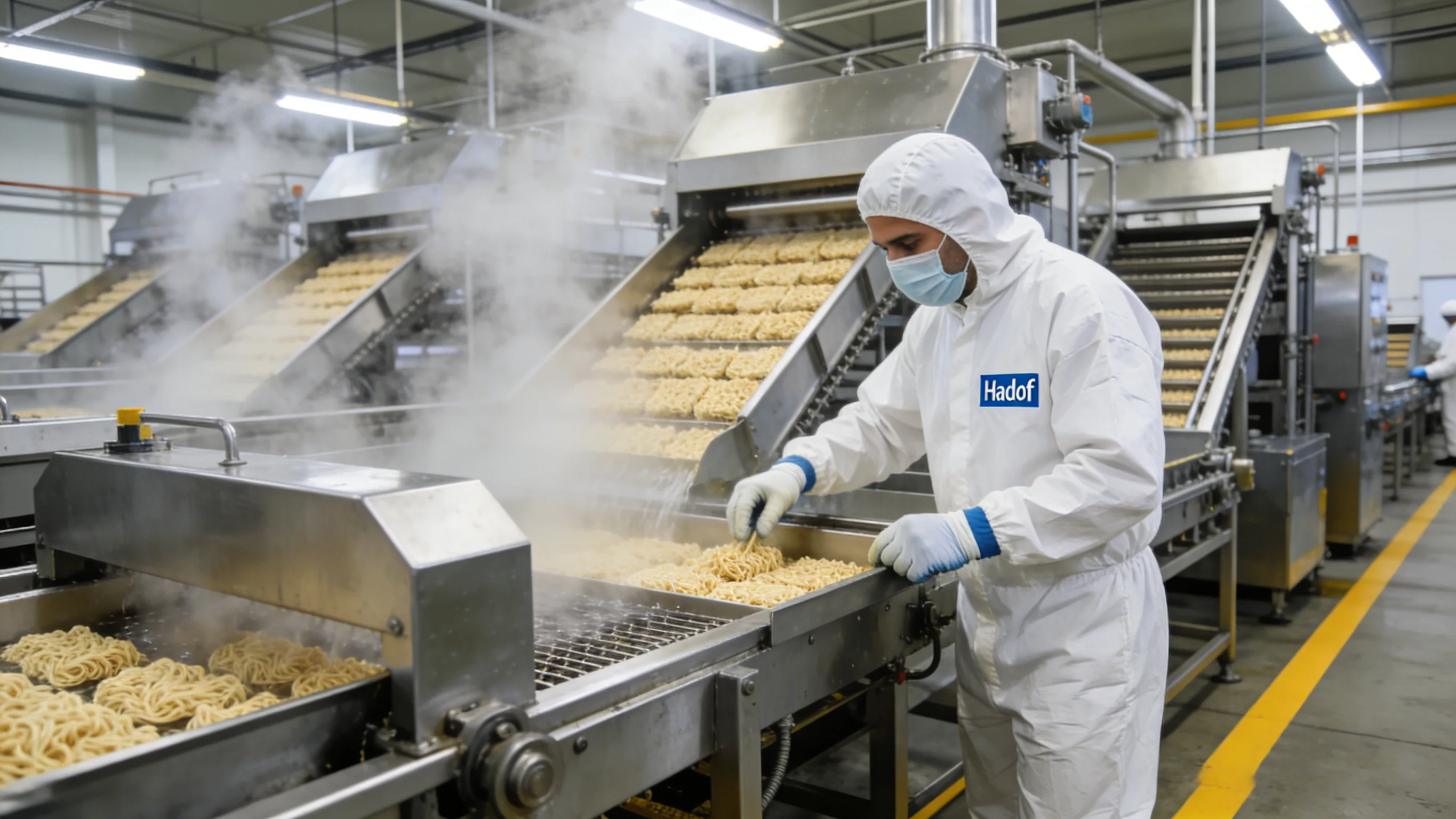
To solve the odor problem, we designed an alkaline electrolyzed water soaking system (pH 11.5) that thoroughly decomposes the odor-causing substance trimethylamine in 30 minutes. The rinds then enter a vacuum infusion seasoning tank, where under -0.08MPa negative pressure, Brazilian barbecue sauce, lime juice, chili oil, and other natural flavors evenly penetrate into the rind interior, rather than merely coating the surface. Testing showed residual odor compounds reduced by 98%, and flavor retention time extended threefold.
4. Microwave Pre-expansion + Dual-Zone Frying – Crispy Outside, Soft Inside, Melt-in-the-Mouth
To achieve the ideal crispness, we added a microwave pre-expansion stage before frying. Microwaves rapidly vaporize internal moisture, creating a uniform micro?porous network. The rinds then enter dual-zone frying: Zone 1 at 175°C sets the crust; Zone 2 at 155°C slow-fries for dehydration. The finished pork rinds exhibit a perfect "tiger stripe" pattern, with hardness reduced by 60%, providing a melt-in-the-mouth texture without stickiness.
Capacity and Quality Leap
Daily capacity: Increased from 2 tons/day on the pilot line to 10 tons/day on the automated line (two shifts), with consistent quality for 25 consecutive days. Total production in the second half of 2024 exceeded 1,600 tons, with product qualification rate rising from 78% to 96%.
Channel Breakthrough
Low oil content + uniform expansion + authentic South American flavors helped BRF's "Pork Crisps by Perdig?o" series quickly penetrate the market: entering 3,500 large supermarkets across Brazil and exporting to the United States, Mexico, Portugal, and Angola. Exports to the US grew by 400% year?on?year, becoming a successful model for high?value utilization of Brazilian pork byproducts.
Economic Benefits
Return on Investment: The plant manager at BRF's Marau facility noted: "Traditionally, we sold pork rinds at feed prices. Now they become a premium snack. We save over 2 million Brazilian reals annually in labor costs. With lower oil consumption and higher yield, the actual payback period is under 14 months."
Product Premium: The healthy low?oil label and perfect crispness allow BRF's pork rinds to be priced 15% lower than comparable US products (due to self?supplied raw materials) while achieving 30% higher margins, making it the company's most profitable snack line.
"Hadof's equipment has transformed pork rinds from waste into gold. Now every Pork Crisps carries the essence of Rio Grande do Sul pork and the soul of Brazilian barbecue. This is our weapon to conquer the global snack market."
—— Jo?o Campos, BRF S.A., Snack Foods Division Director