
On-site Planning

Installation & Commissioning

Automated & Energy Efficient
Client Name: T****L Leaf Processing (Pvt) Ltd.
Country: Republic of Zimbabwe
Region: Mashonaland East Province – a core global region for high?quality flue?cured tobacco
Core Products: Flue?cured tobacco leaf slices (for pre?redrying treatment, reconstituted tobacco production, and new tobacco product raw materials)
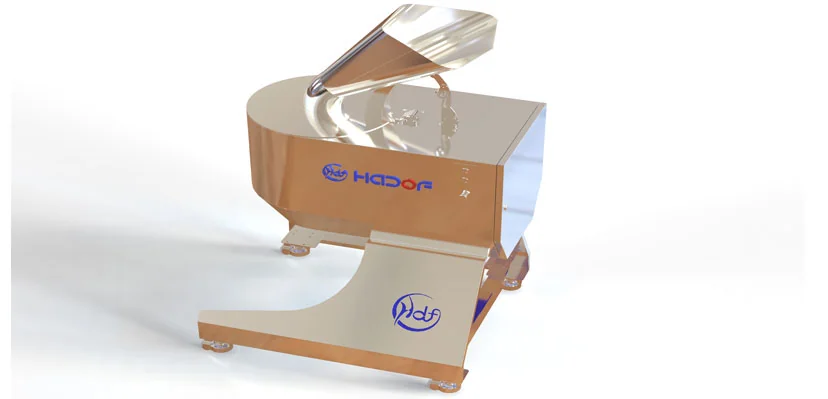
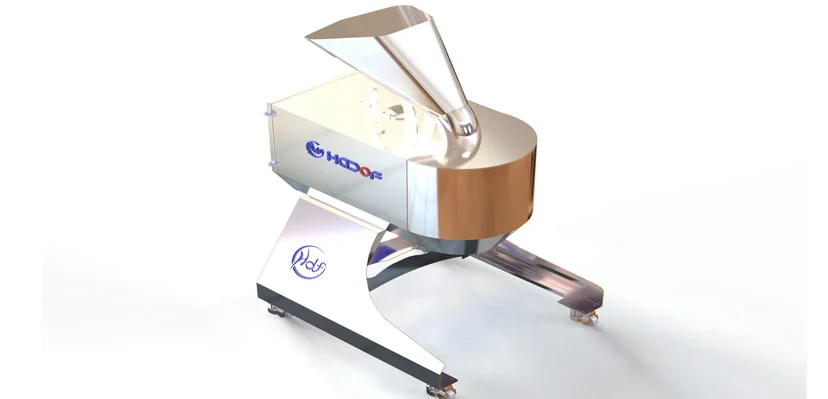
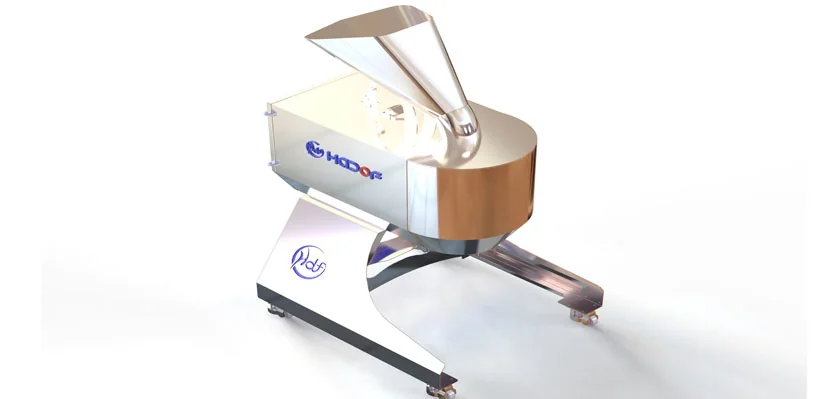
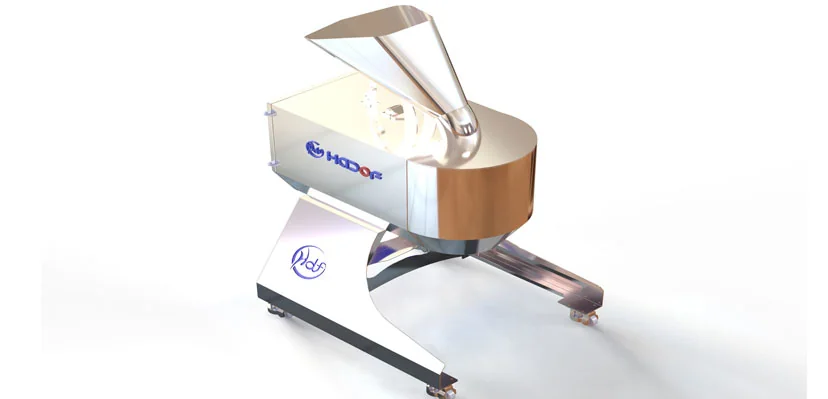
Equipment Configuration: Hadof custom high?speed tobacco slicing line (including fully automatic feeding system, dual?disc precision slicing unit, metal detection and foreign material removal module)
Commissioning Date: Q1 2018
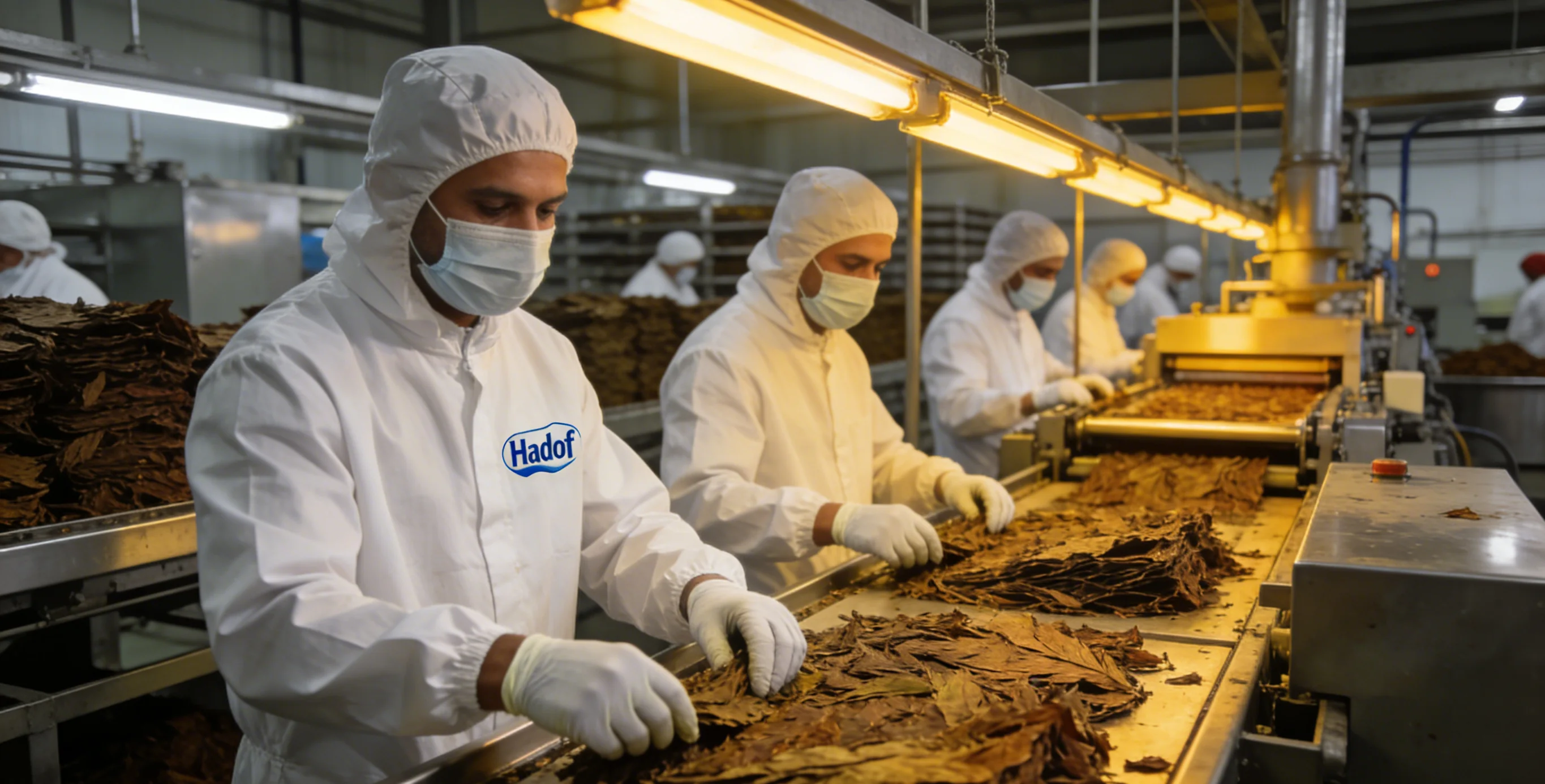
Zimbabwe is globally renowned for its flue?cured tobacco with rich aroma and golden color, serving as a crucial raw material base for many international tobacco groups. T****L, based in Mashonaland East, had long provided high?quality tobacco leaves to European, American, and Middle Eastern markets. However, in the primary tobacco processing stage, the slicing operation had long relied on manual labor, limiting standardization and raw material utilization.
Traditional hand?tearing or simple chopping methods faced multiple challenges:
Severe efficiency bottleneck: During peak seasons, over 200 seasonal workers were needed to slice tobacco leaves, yet continuous supply to the redrying plant could not be maintained, extending overall processing cycles.
Inconsistent slice specifications: Manual operations could not ensure uniform width and length, leading to uneven moisture penetration during subsequent redrying, affecting the aging process and final sensory quality.
High loss rate: Hand slicing resulted in broken pieces and fines accounting for 12%?15%, wasting high?quality tobacco resources.
Hygiene and foreign matter risks: Manual handling increased the risk of contamination (hair, fibers), posing potential threats to export certifications.
To meet increasingly stringent customer requirements and capacity pressures, T****L decided to implement an automated slicing system. Hadof, leveraging its process expertise in tobacco slicing, provided a customized production line tailored to the physical properties of tobacco leaves.
Core designs focused on tobacco characteristics:
1. Flexible Conveying and Low?Damage Slicing Technology
A wide?belt conveyor with pressure rollers ensures tobacco leaves are flat and unfolded before entering the cutters. The cutting discs are made of alloy steel with blade angles optimized for tobacco fibers, ensuring clean cuts and reducing fines. Slicing width can be adjusted according to customer requirements to match different redrying line processes.
2. Online Metal Detection and Foreign Material Removal
A high?sensitivity metal detector is installed after the slicing unit to automatically identify and remove metallic impurities (e.g., stray wire from fields, machine parts), protecting downstream redrying equipment and enhancing product safety. Foreign material removal efficiency exceeds 99.5%.
3. Dust Control and Clean Design
The line is equipped with centralized dust extraction interfaces, and critical parts are sealed to minimize dust emissions. All components that contact tobacco are made of food?grade stainless steel with smooth, easy?to?clean surfaces, meeting international tobacco industry hygiene standards.
4. Intelligent Centralized Control and Data Traceability
The production line is controlled by a PLC, monitoring slice thickness, output, and equipment parameters in real time. It can interface with the customer's MES system, enabling full traceability from raw material batch to sliced product, meeting the supply chain transparency requirements of major tobacco groups.
Client Testimonial: From Traditional Agriculture to Industrial Standards
Since the new line began operation in 2018, T****L has undergone a profound transformation:
Capacity & Efficiency Gains
Slicing throughput: Increased from an average of 8 tons/day manually to 30 tons/day (single shift), meeting the continuous supply needs of the redrying plant. Production scheduling became more flexible, and raw material turnaround time was reduced by 35%.
Workforce: The slicing workforce was reduced from 200 to 12 operators, cutting labor costs by over 80% and eliminating seasonal labor shortages.
Quality & Market Recognition
Slicing qualification rate: Width tolerance (±2mm) achieved over 98%, fines reduced to within 5%, and tobacco leaf utilization increased by approximately 7%.
International certification: With stable slicing quality and foreign material control, the company passed the "zero?defect" supplier audits of international tobacco buyers, and export orders grew 150% over three years.
Overall Benefits
Raw material value addition: Uniform slicing improved the yield after redrying, generating more usable tobacco strips from the same raw material, significantly boosting overall revenue.
Energy savings: The line uses IE4 high?efficiency motors, reducing electricity consumption per unit output by 18% compared to traditional separate equipment, and qualified for local government energy?saving retrofit subsidies.
"Hadof's slicing line transformed our tobacco processing from 'experience?based' to 'standard?based'. Every leaf now enters the redrying stage at precise widths, resulting in more consistent quality. More importantly, we gained the deep trust of international clients, proving that African tobacco can achieve world?class industrial precision."
—— T****L Leaf Processing, Operations Director Mr. Dube